Skip to content
    1h 37m 10 min read 8,746

    Unlocking Creative Potential 90 min Deep Dive w/ Chris Do

    Chris Do explains why most people lack confidence and provides a framework for building real self-worth and charging what you're worth.

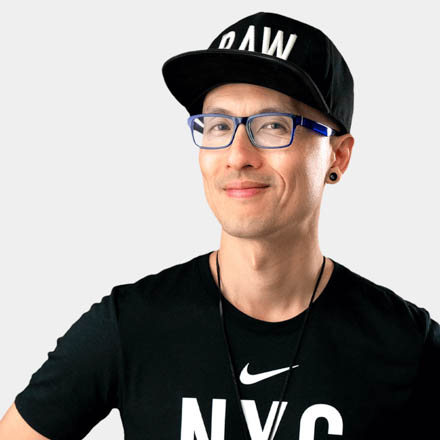
    Chris Do

    Chris Do

    Founder, The Futur™ · August 3, 2024

    Your Confidence Is a Roller Coaster

    Your post blows up. Engagement is through the roof. People shower you with praise. For a moment, your confidence soars. You feel seen, validated, worthy.

    Then the next one falls flat. The critics crawl out from the corners of the internet. 'You’re very insensitive,' they say. 'How could you say these things?' Your confidence plummets.

    This is the cycle for most creators, entrepreneurs, and professionals. They ride an emotional roller coaster, their sense of self-worth tethered to external validation. But Emmy award-winning designer and entrepreneur Chris Do challenges this entire premise with a simple, arresting observation.

    “Real confidence doesn't really move,” he states.

    If yours does, you are experiencing something else entirely. What most people call confidence is just a temporary high, an artificial boost from extrinsic factors. Your true confidence level, Do argues, is found at the lowest point of that roller coaster. The rest is just noise.

    The problem is not a lack of talent or effort. The problem is a foundational misunderstanding of what confidence is and where it comes from. It is not an emotion you feel. It is a capacity you build.

    The Anatomy of Low Self-Worth

    To fix the problem, you must trace it to its root. For most people, that journey leads back to childhood. Do asks you to travel back to a moment between the ages of three and nine, when your internal compass started to go haywire.

    It was likely something small. A parent, dealing with their own stressors, makes an offhand comment about your messy toys. “Can't you be tidy?” they ask. “Why do you always have to build these useless things?”

    In the mind of a child, this isn't just a fleeting remark. It's a verdict. “I depend on this human for safety, for shelter, for food,” the child’s logic goes. “They can't be wrong. It must be me that's wrong.” A lifetime of these small infractions creates a powerful, insidious narrative: I am not good enough. I am not worthy.

    This programming is reinforced by well-intentioned but damaging parenting tactics. Do explains that parents often withhold praise as a tool to control behavior, inadvertently training their children to seek external approval for their self-worth. It creates a transactional relationship with achievement.

    Consider the common scenarios:

    • You come home with good grades, but a parent says, “You should be pushing yourself harder.” The lesson: your effort isn't enough.
    • You achieve a 4.2 GPA, and they say, “Great job.” The lesson: your worth is tied to the grade, not your effort or growth.
    • They compare you to a sibling, a cousin, a friend's child. “Why can’t you play the piano like them?” The lesson: you are inherently deficient compared to others.

    “This stuff eats away at you,” Do says. “A lifetime of this destroys your internal compass for who you are and your own self-worth.”

    As an adult, this programming manifests as a desperate search for external guideposts. You need the prestigious title, the high salary, the client’s approval, the social media likes. You have outsourced the job of validating your existence to people who, as Do puts it, “don't know you and don't care about you.”

    You have given away your power. It’s time to take it back.

    Confidence Is Not a Feeling. It Is Trust.

    The first step in reclaiming your power is to redefine the word itself. “Do you know where the word confidence or confident comes from?” Do asks. “The Latin root word means confidere: with trust.”

    This is not a semantic game. It is a fundamental reframing of the entire concept.

    When you say you lack confidence, you are not describing a feeling of inadequacy. You are stating a fact: you do not trust your ability to perform a task. “I don't have great confidence that this bridge is going to support our weight,” says Do. “It's not some esoteric thing. I don't trust that it was built well enough.”

    When you say, “I’m not confident doing this logo,” what you are really saying is, “I don’t trust my own ability to design this logo.”

    The problem is clear. So is the solution. How do you build trust? Through repetition.

    This is what author Malcolm Gladwell famously described as the 10,000-hour rule in his book Outliers. True mastery and the trust that comes with it are born from deliberate, intentional practice. Do learned this firsthand through his own debilitating fear of public speaking.

    “I would lose sleep, I’d have indigestion,” he recalls. “My pits would be all sweaty... stress sweat, and that sweat does not smell good.” The anxiety stemmed from a lack of practice. He might give one talk, then another nine months later, forcing him to relearn everything and rebuild his nerve from scratch each time.

    The change came when the opportunities increased in frequency. First, one talk every few months. Then once a month. Then three in a single day. He put in the reps. The fear receded, replaced by something solid and reliable.

    “You know what? I know you all out there are new to me, this room is new to me, but this act of what I'm doing is not new to me,” he realized. “I started to trust that I know how to do a talk.”

    Confidence is not a mysterious force you are born with. It is the predictable outcome of repeated action. It’s the muscle memory you develop from doing dull, difficult things over and over again until they become second nature. This is a topic Do has explored before, especially in his conversations about overcoming imposter syndrome.

    How to Build Trust In Yourself

    To begin building this trust, you don’t need to learn a new skill. You need to take inventory of the skills you already have. Do challenges you to answer a simple question: “What is it that you've done over and over again that you feel like you can do it without a lot of preparation?”

    Most people struggle to answer this, or they deflect. They externalize their skills. But everyone has something they know like the back of their hand.

    The next step is to deconstruct that primary skill into its component parts. During the interview, Do walks host Trevor Houston through this exact exercise with his podcasting expertise. Houston has recorded over 500 episodes, and his confidence has grown from a self-rated zero to an 8.9 out of 10. But “podcasting” isn’t a single skill.

    It’s a collection of what Do calls durable skills. These are the underlying capabilities that can be transferred to other domains.

    In Houston’s case, his 500+ episodes of podcasting developed a powerful skill stack:

    • Curation & Networking: Selecting the right guests has built an extensive global network.
    • Translation: Tailoring complex ideas for his specific audience makes him a translator of value.
    • Research: Preparing for guests has made him a smarter, more curious person.
    • Communication: The ability to think, articulate, and respond clearly in real time is a high-value skill.
    • Active Listening: Holding space for guests to share their stories is the core of effective communication, a skill Do dives into in his masterclass on The Art of Listening & Communication.
    • Storytelling: Learning from hundreds of master storytellers has made him a better storyteller himself.

    These skills, honed over years of podcasting, are not confined to that single activity. They can be applied to public speaking, writing a book, leading a team, or closing a sale. When you lean on a foundation of a skill you have repeated many times, your confidence in a new, adjacent application is already high.

    This is the playbook. Identify your area of mastery. Break it down into its durable skills. Then apply those skills to new challenges. This is how you systematically build trust in yourself, one domain at a time.

    The Price of Your Insecurity

    A lack of internal trust has devastating external consequences. Nowhere is this more apparent than in how creative professionals and entrepreneurs price their work. Your insecurity directly impacts your income.

    When you don't trust your own value, you let clients dictate it for you. A client says, “It’s not worth it, Trevor.” Your internal narrative kicks in: “Okay, yeah, you're right.” Another says, “Your work was underwhelming.” Your response: “Oh my gosh, I didn’t work as hard. I’ll work more on this. I won’t sleep tonight.”

    This is the direct result of having an externalized sense of self-worth. You are letting people who have no stake in your well-being control your financial reality. And it leads to two of the most common and destructive mistakes in business.

    The first mistake is pricing the job instead of the client. Someone asks, “How much would it cost for a logo?” and you respond with a number based on your time or effort. This is fundamentally wrong.

    “There's a line,” Do explains, “and the line is: price the customer, not the service or the product.”

    Value is subjective. A baseball cap is worth $25 to one person and $250 to another. A high-end microphone is a necessity for a professional podcaster and a waste of money for someone else. Everyone has a different set of values.

    Your job isn't to convince someone to value what you do. Your job is to find the people who already do. Do frames this with an internal mantra: “I will only accept your money under the condition that you, the client, see an exponential return on your investment, and it will make you happy to give me this money to solve your problem.” If they don't see that value, they are not your client. The conversation is over. This isn't selling; it's matchmaking. This value-based approach is something he details extensively in a dedicated session on How To Price YOUR Work.

    Stop Billing for Time, Start Charging for Speed

    The second critical pricing error is equating value with time. Our culture is steeped in this idea, from the hourly wage to the historical definition of an acre of land, which, as business author Ron Baker points out in his book Implementing Value Pricing, was based on the amount of land an ox could plow in a day. It is an industrial-age concept that has no place in the knowledge economy.

    In almost every modern scenario, getting a high-quality result faster is more valuable, not less.

    As Do says, quicker is better. The market proves this everywhere:

    • You pay for an Express Pass at a theme park to skip the line.
    • You pay for overnight shipping to get a package sooner.
    • When your plumbing explodes, the plumber who can arrive in 20 minutes is worth more than the one who can come tomorrow.
    • If you need a kidney transplant, sooner is better.

    “If the quality of the product and service is the same, getting it sooner or faster creates or commands a premium,” Do argues. “This is the opposite of what we think.”

    We are trained to believe that if a task takes us a long time, we should charge more. But if our experience and expertise allow us to deliver a brilliant solution in a fraction of the time, we feel obligated to charge less. This punishes expertise and rewards inefficiency.

    Stop charging for your hours. Start charging for their outcome. The faster you can deliver that outcome, the more you should charge.

    Build a Wall, Not a Wider Net

    The solution to both pricing and confidence issues is to stop trying to appeal to everyone. Inexperienced entrepreneurs believe that casting a wider net increases their chances of catching a client. The opposite is true. It guarantees you will attract the wrong clients, who will then tear down your prices and your confidence.

    “You're going to get kicked down below so many times it's going to erode your confidence,” Do warns. You'll internalize the rejection and start a downward spiral of lowering your prices and questioning your worth.

    The correct strategy is to do the opposite. You must be incredibly specific about who you serve, what problem you solve, and what level of investment is required. As Do says, your job is to build a wall, metaphorically speaking, that filters for the right kinds of people and keeps everyone else out.

    This means being transparent about who you are and what you do. It means stating your minimum level of engagement. “I can take on 10 clients who are looking to invest at a minimum $20,000 to help rebuild their personal branding,” Do offers as an example. Someone who doesn't have $20,000 simply won't call. The filtering is done for you.

    This is a core tenet of the Blue Ocean Strategy, a business framework from the book by W. Chan Kim and Renée Mauborgne. Instead of competing in a bloody “red ocean” crowded with rivals, you move to an uncontested “blue ocean” where you can create and capture new demand. When Do started, the design education space was a red ocean. So he moved to the blue ocean of business education for creatives, a space where he had no competition.

    When you clearly define your niche, you attract buyers who are already looking for exactly what you offer. The friction of the sale disappears. You stop pitching and start collaborating. This shift is crucial for building a sustainable business and is at the heart of Do's advice for those tired of chasing leads, like in his talks on attracting ideal clients.

    This path of niching down and then expanding is visible in the trajectory of all successful creators, from Do himself to figures like Gary Vaynerchuk, who evolved from a niche wine expert to a business mogul by methodically expanding his circle of relevance over time.

    Start small. Be hyper-specific. Build trust in your ability to serve that small audience. Then, and only then, can you begin to expand.

    The mission is to build a billion-person education company. But it starts with one person. You. It begins the moment you stop looking outward for validation and start looking inward, building trust through deliberate, focused repetition.

    Stop asking for permission. Start putting in the reps.

    started today with our legendary guest because I got a Powerhouse in the house with me today but before we get to all of that we are live so I want to make sure we uh check in with our live studio audience see who we got tuning in with us so make sure you check in with us rep your city rep your hood put it down in the comments with us and if you're ready to hear from our Legend Chris doe make sure you go ahead and put a one in the chat go ahead put a one in the chat I'd love to give you a quick shout out let's see who we got tuning in with us today let me pull up the comments in here beautiful beautiful oh let me get in Click to join yeah go ahead guys rep your city rep your hood love to give you a shout out today welcome to the who you know show let's see who we got okay we got felista we got Mary good to see you Alex Adan we got Ivan Jeremy Corey I see you we got Jay good to see you Marvin Reed that's my Breakfast With Champions family in the house Muhammad Ali good to see you good to see you Alex okay we got felici here in the house good to see you well guys I'm your host Trevor Houston and on this episode we sit down with the transformative director designer and entrepreneur Chris doe with a miss to teach over 1 billion people how to make a living doing with what they love Chris shares his journey from being an Emmy award-winning motion designer to becoming the founder of the future and online education platform known for his captivating storytelling and engaging wisdom Chris discusses his Val how to Value yourself communicate your worth and Achieve Financial and emotional fulfillment so guys super honor to have Chris on the show Chris welcome to the who you know show my friend thank you Trevor thanks for having me what's up Dallas yeah let's go hey uh so real quick I'd love to know more about your mission okay you've got an audacious goal man one billion people uh I'd love to know more about that mission why did you why did you have uh what's the why behind it and um what inspired you on that Journey thanks for asking that question uh I'm going to take the story back to a conversation I had with my wife it's the point in which I'm running my production company and she keeps telling me give me a couple of more really good years we're in that sweet spot of running a company where we want to build up that Nest Egg I think I'm in my mid-40s right now and we're having a meeting with my financial planner and his name is John and I said and and my wife Jesse she goes to the bathroom I said John hey can you do me a favor I'm trying to figure out when I could reasonably retire from work and he's like okay let me just look up the your numbers here of course he's got a head for numbers he's looking up all a spreadsheet he smiles to me I'm like uh oh am I in trouble he goes no in fact you could have retired years ago the way that you spend and how much you have saved you don't need to work anymore so I'm like this is weird my wife is telling me a very different story right now so she comes back into the conference room I say B you can't you can't believe this John says we don't need to work anymore and she goes I know like what do you mean you know you've been telling me I need a couple more years and you know I've been grinding at this game since I was 22 years old so I've been 20 plus years into the business and it's It's a Grind working with ad agencies it's very brutal and demanding clients and hard deadlines but then I started to think about my life like I think for the most part we work to provide Comfort safety and shelter for the ones that we care about not only for our immediate family but for our parents maybe our siblings or to be able to help out a friend in a time of need I was already there so I had kind of think about what I want to do with the rest of my life a couple years later it just happens that I start this education company and it becomes really clear to me that my higher purpose my deeper passion is to teach and to teach as many people as I can I won't bore you with that story but I needed to give this story this idea some kind of concrete tangible component to it which is you know what I don't want to just teach a million people I think that's very doable in today's age with the reach of social media I think I want to teach a billion people Direct directly or indirectly to help them better their lives to fulfill their higher calling for themselves as well I love that um I I a few years ago I interviewed Dave Meltzer are you familiar with Dave I met him yep oh you met Dave yeah he's amazing love him and uh and he had a similar goal with which was one bill billion people to be happy uh to be fulfilled and I I asked him you know well how do you how do you think you're going to achieve that right a billion people that's a lot so before I get to his answer I'd like to hear yours how do you think that you're going to hit that Target of one billion people yeah I think I read about this in something that Jim Ron wrote and he said that although pursuing a big goal with some is important is not as important as the person you become in the pursuit of that goal because you yourself have to transform so I think where we fail is we make our short-term goals too big and our long long-term goals too small so the worst thing for me is to actually fulfill a small goal in my life and say I'm done and then you look back and you're like how do I want to measure my life was that that it that's it right so I know that it's relatively impossible I think practically impossible to teach or reach a billion people that's one in eight people at the current rate of population right now and so I think I'm okay with not reaching that goal but I want to continue to frame my thinking and to challenge myself what else can we do how can we reach more people and I think that kind of thinking has made me make different decisions in my life and I I believe in this too like you may not have the means to solve the problem that you have today but eventually if you stay focused and you stay persistent the means will appear so when I set this goal I think in like 2016 is I didn't know how we could achieve this but here we are in 2024 seven years later there are AI tools and I'm thinking wow these tools these robots can help us teach a lot more people so we're building an army of Tas that are trained on the way that I think things need to be done so that we can help our students our friends our colleagues and peers on how to achieve their goal faster so I think now it might be possible well I I think that um originally what you had said was like direct and indirectly impact a billion people yes I think you're actually you've probably already done that okay and let me explain how I think that you've already done that uh so when I talked with uh Dave Meltzer and I asked him he said well I want to teach a thousand people I want to impact directly a thousand people who will then teach a thousand who will then teach a thousand thousand times thousand times thousand is a billion and I was like wow okay cool so he'd even broke down the math and so I think with even just with that kind of methodology you you've already done it right I don't know I I don't think so I mean you don't think no I don't think so okay because I may have taught a thousand people but those thousand people have not taught a thousand people because to teach a thousand people is not an easy thing so melter is talking about like reaching Global influencers captains of industry authors those kinds of people subject matter experts and I can see how that might happen especially if you're talking and impacting a university Professor who in their lifetime are going to go through at least a thousand students right but the kinds of people I'm talking about are one person running a shop somewhere someone who is running a small community of 25 people so it's G to take a while and it's okay for me to take the rest of my life to to be able to get there and I'm good with that Ive into that AI that you were just talking about right that was actually one of my questions with all the advancements of technology and everything that's going on what are you seeing like what what do you see uh what are you currently working on and then what do you see in the next five years yeah I I think a lot of really smart people are pointing to the trends that we're seeing and that the value of information is shrinking to zero it's kind of a rased to zero right now because of the vastness of the internet and how much good information is out there today prior to AI even there's so much that you can learn for very little money or even free so it's not a question of is information available it's the question of what information should you consume and from whom so those are the kinds of things we're thinking about but what smart people say is give the information away for free charge for the implementation because people need help implementing now implementing requires you to get into the to the weeds with them to give them critical feedback or to create custom plans for them that is very labor intensive my friend juel who's a sales coach went through someone's call I think the call was like an hour and 20 minutes long and spent hours dissecting their sales call and giving them detailed notes that is not scalable because there's only one Jewel and to do that she has to spend three to four maybe even six hours working on giving someone feedback that only took them an hour and a half to do so we think is this possible and so what we start to do is say how can we evaluate a sales call based on principles that we believe in to be good for for someone and can we teach a robot to look for these things to call out when Rapport is being broken when a follow-up question should have been asked or when when there was an assumption made by the by the seller to for for the buyer and can we grade them on the criteria that we think would make for an excellent call and give detailed feedback to a person and you know what we've been working on this and we're very very close is it as good as what juel provide no not even close but at 70 to 80% of what she would do at one 100th of the cost of time and energy and resources maybe this is something that people will want and so what we think is to build specialized robots who are trained on thinking very specific ways that mirror our own can we deploy that across internet and if you've ever been on a sales call before especially if you're a solo practitioner or you run a very small team who do you go for help you bomb a call you lose a bid and you are beating yourself up I don't know if you ever been there but I have lost many jobs when I was much younger thinking there must be something wrong with me why don't I know what to say or do and I don't even know what the rules of the game are so if you were to get feedback at that critical moment I think we can ease the suffering and pain that a lot of people are going to feel that's just one example wow that's huge now are we talking about um like an AI Avatar making calls making calls are you talking about giving that real time feedback not even that so we we want to do the MVP the Min minimum viable product right so let's say you got off a call and it's on Zoom so we know it's recorded okay you can give it the transcript or the audio file it will listen to it it'll know who you are who your prospect is it's going to analyze the call for you and say okay on on you asking deep follow-up questions in you saying neutral and objective in you saying less and asking more here's your grade C minus B+ you know and here's why here are moments in which you broke Rapport and here are things that you can improve upon so it's kind of like a sales coach and trainer after the fact I love that you know I'm looking at another use case I want that for for this podcast how cool would that be that' be really cool to like grade like how as a host how well I did as a host like you know was I interrupting did I cut them off you know like different things have different metrics to go at the end of the interview like hey you know that was great or you know this episode's gonna suck because of XY and Z right yeah well here's where the conversation got really valuable here's where there was an emotional resonance and a profound story so that you kind of know how to mind for this and here's what you asked that got the person to say this and areas for you to improve man there's so many use cases for all this technology nowadays it's just incredible um I want to maybe switch gears just a little bit here because I know one of the things that you talk a lot about and for for my audience specifically I have a an audience of job Seekers who uh you know got let go from Corporate America uh you talk about valuing yourself and this is something I wanted to make sure we talk about because it's one of your core messages and can you share some practical steps or mindset shifts that individuals can adopt uh to start valuing themselves more effectively and especially for someone that maybe if you can think of you know if they got let go from Corporate America the longer that search takes their self-worth and value they start you know their confidence goes down they start feeling worthless so what what would you say to someone like that uh to you know pick them back up yeah this is a immedate question that we could probably spend four hours talking about and not get to the bottom of it so I'm going to do my best to trace the problem back to its root cause okay so I'm going to take you back in the time machine I want you to try to like think in your mind at a point in your childhood where perhaps you felt like really great about yourself and the moment that things started to change it's going it's going to be probably somewhere between the ages of three and nine and something very small processed through the child's mind will get uh catastrophize and it will just magnify and grandis in your mind to be something really big could just be like one day you're you're building something really cool with your toy blocks and your your brother or sister or your mom or dad say something to you like oh can't you can't you be tidy Trevor like why do you always have to build these useless things and they didn't mean too much by it it was just an emotional reaction you know we're children and we're raised by imperfect people dealing with their own problems raised by other imperfect people so the cycle continues so in your mind you're like well I depend on this human for safety for shelter for food for my basic survival needs they can't be wrong can they it must be me that's wrong like yes I am a little messy and this is useless and I should help out a little bit more so a lifetime of these small infractions creates a narrative in your mind that you know what I'm not that good I'm not worthy and then we add on top of this uh like something that seems like really good for parents to do can actually undermine your own self-development and I just want to caveat everything I'm saying I'm not a therapist I've not been trained in Psychology or sociology or anything like that I'm a graphic designer so everybody take what I say with a grain of salt so what happens here is parents like to withhold praise for behavior that they want you to do so they hold back praise as a means to control your behavior so when you go home let's just say you're in like a typical Asian-American household what was the most important thing is to get good grades to push yourself academically to join the chess club to take AP honors classes right so that you can get into a prestigious school so when you you come home and you know you beat 99% of the students but you're in kind of like a regular class they don't say great job Trev they say hey you should be pushing yourself harder right or let's just say you do get 4.2 GPA that that semester or that year and they're like great job so now you have been trained to seek the attention and approval of the person that holds your financial emotional psychological physiological safety in their hands and they don't mean anything by this or they'll say I'm really proud of you but they say it from time to time so we infer there are times when you're not proud of me parents also do this thing where they compare you to another sibling a cousin a co-worker's child they're like oh why can't you be as our artistic or why can't you play the piano or the guitar like those people this stuff eats away at you and a lifetime of this destroys your internal compass for who you are and your own selfworth so now we enter into adulthood and we're looking for INT extrinsic external guid points to tell us we're good or valuable how do we know well we know because we got a certain title at a certain prestigious company and we're making a certain salary and we're moving along some artificial timeline in our mind that we're moving faster than the competition whoever they might be and at some point you lose your ability to judge for yourself if you're any good why do you think people are so scared to post on social media because someone else that you don't know or don't care about and especially don't care about you are going to tell you your self worth and so now you start a business and you're hanging on the clients every word oh it's not worth it Trevor okay yeah you're right or your work it was underwhelming oh my gosh I I didn't work as hard I I'll work more on this I won't sleep tonight it's not necessary for me and so all these extrinsic indicators or benchmarks for your own well-being are being controlled by other people and I say to people why would you ever give someone as U like a person who has agency and autonomy control over your emotional well-being but we do it all the time we volunteer we're like hey hey you over there on Twitter or on LinkedIn I I know you don't know me and don't care about me but what do you really think about me right now and we ride that emotional roller coaster the highs and the lows when your when your post blows up and people are showering you with praise the engagement is through the roof you're woo my confidence is really high and when when the Post Falls flat or people are like you're very insensitive how could you say these things then your confidence goes really low so my point of view on this is real confidence doesn't really move so I suspect the people who ride this roller coaster of highs and lows that your real confidence score is at the lowest of your low it just artificially gets brought up because of the external factors and I was talking to a friend and she was like do you know where where the word confidence or confident comes from the Latin root word means confidere with trust so you don't trust yourself your ability your value right so like when somebody says I don't have great confidence that this bridge is going to support our weight it's not some esoteric thing I don't trust that it was built well enough to hold us and you might be right I don't have confidence that you're going to pick me up at the airport I don't have confidence that you're going to be faithful with me because I don't trust you because you've exhibited behaviors in the past that make me question that so if we look at it it's like I'm not confident uh doing this logo what are we saying I don't trust my own ability to design this logo that's the problem so wow okay so first of all man so much to unpack there oh my gosh so when you were describing the person uh like you I I I told you uh backstage a good mutual friend of ours Fanny dunigan I want to shout her out um like I've done some interviews with her and you know she's a great great great friend of mine like you described her to a tea and um so I really hope she listen to this I'm gonna make sure she gets this episode um and one of the things that I remember that helped her to kind of get out of her shell a little bit was getting online uh live streaming kind of like uh you know creating content and all of that um and it kind of helped help her to again what you were talking about getting the A's always having to get the a always having to get the accomplishment right that was like that was like what she was going through when she was a child so anyways that's first thing I wanted to point out is you made me think of her uh the second thing what you talked about was the the highs and the lows right and somebody that's truly uh confident I think you said um they're they don't move very much right because they have more trust in themselves right so do you think that trust comes from where do you think that trust comes from in yourself where do you think that comes from okay so there's lots of things I'm not confident at but there are a couple of things I'm really confident at and it comes from you doing something repeatedly over and over again what Malcolm Gladwell calls the 10,000 hours of deliberate intentional practice at something if you were let's say you're a sports person right and you're let's say it's a really dumb I'm sorry I don't want to insult any like like you're a champion Dart thrower you're just a champion and you thrown that Dart 10,000 hours at a time and you can do it with your eyes closed the muscle memory is there so when somebody's like you want to play darts you're like yeah because you feel like I practiced this enough times and confidence really comes from repetition of doing really dull dumb things over and over again so that you can rely on that you've done the work you know right I'll give you an example uh public speaking used to be one of my biggest fears and it I would lose sleep I'd have indigestion like all the acid in my stomach I would just be in the bathroom 10 minutes before like really not good timing right so I had a rule I can't eat I would start to hyperventilate I was breathing irregularly and I was when I got up to speak I was burping and it was just like it was it was all messed up it and my pits would be all sweaty and it's not that normal stress I mean not that normal sweat stress sweat and that's that sweat does not smell good so there I am I'm feeling that right and so the reason why I felt that for a number of different reasons was because I hadn't done it before or I would do one talk and then nine months later I would do another talk and the time between those two were so far apart that I forgot how to use keynote again I'm like oh how do I typ set this what are the master page is like again what I realized is when the speaking opport unities increase in frequency I got my reps in so I was doing maybe one every three months and then one every two months and then three in a month actually I would do three in a day so you put in those reps and then you're like you know what I know you all out there are new to me this room is new to me but this act of what I'm doing is not new to me and so I started to see that I started to trust that I know how to do a talk that I'm not going to put my foot in my mouth I'm not going to freeze up on stage and I'm going to most importantly give people more value than what they paid that's name of the game I'm gonna treat people well I'm gonna make sure the event organizer never ever sees me as a difficult person and wants to book me again and again man I love that okay so what I'm hearing is for the audience listening uh what you're saying and what what I'm hearing is um I'm not sure exactly who said this but discipline compounded daily transformation right it's just like like when you're when you work out right you know discipline you got have the discipline to do it so for you to to get out of your shell uh when you were terrified of public speaking by the way I completely resonate with that that was me um I was absolutely terrified I used to I used to run and hide in in the bathroom if I knew that the microphone was going to get turned around my way I literally would go run and hide out in the bathroom no no no joke so that was me um but you got you you had to have the discipline to get out of your shell to just just do it number one um compounded over time like you said it first started out once every nine months then it was you know every you know maybe three months then every two months then you know three in a day right so that frequency right um over time has has created a monster man you're you're a beast right so yes uh can I ask you a question Trevor yeah absolutely what is something you've done over and over again that you feel like you know that expression I know it like the back of my hand are there a couple things that you know like you're like yeah I can do that it could be D silly it could be Hacky Sack or it could be throwing cards or whatever it is are there a couple things can you tell me what they are yeah uh podcasting doing this right uh i' I've done this since uh 2 January of 2018 um so almost seven years now of podcast in and um you know so I've I've got my reps in and I've done this enough times that um I can do it in the you know it's like the back of my hand right right and how many episodes in are you oh man that's such a good question uh we are in the five five to 600 range wow yeah it started out originally was live streams and um those live streams uh I I wasn't able to uh repurpose all of those to get them on the podcast um and the very first Studio that we were using uh went out of business during covid and I ended up losing half the content so probably 200 episodes are just gone but um but yeah I mean probably in the five to 600 range now okay y so what's really interesting is even if none of them were ever recorded you you you aren't gone you put in the Reps yourself absolutely right so I I want to First quickly say shout out to the 76 people that are tuning live on LinkedIn our two mutual friends Fanny and Rich Cardona are there and they're commenting and she goes I just tuned in my name's being mentioned how weird is that her ears must have been burning so oh Fanny I love you so much Fanny I love you so much and Rich shout out to you y'all are my favorite people I swear we got LinkedIn fam in the house yes we do okay so there's a couple things that are happening here if you can remember your level of trust in your ability to do a podcast episode one to episode now world of difference right and let's just play a game okay I'm gonna ask you a series of questions and I'm doing this to help our audience a little bit here I'm sorry I'm hijacking your podcast hey okay feel free my friend go ahead teacher me like wants to take over let's go okay on a score of one to 10 10 being the highest where like you feel like you're world class one of a very few people who can do something and one's like I'm a total idiot impostor somebody should kill me now okay what was your level of trust confidence in your podcasting episode one from a scale of 1 to 10 all right so so one was um like I'm I'm crushing it and 10 was no one is you're dying you're so bad at this oh no when I first started it was definitely a zero it wasn't even a one it was like it was like I remember I had notes like this I even had R and I was shaking the whole time oh I was shaking it was completely off it was and that was one of the things that I knew I had to overcome my fear of public speaking so I forced myself to do those types of things but anyways yes okay all right on a scale one to 10 you're not even on a scale you're ated zero yeah kind of like zero yeah and I remember the the producer he was like guys that show was bad like he was like y'all need to have a little more banter or something because that was just so bad and I was like I didn't know what to do with my hands you know right you're like fair I guess right okay next question for you is 600 episodes in what's your level of confidence today oh yeah I mean it's through the roof man like uh I'm just I just am who I am now you know what I mean like and I feel like uh one of my gifts in the podcast is allowing for um I have a structure but then I allow it to flow naturally and I feel like the conversation uh will take the course that it's supposed to Yes um and so yeah I feel like that's one of my gifts that a lot of uh hosts don't necessarily do I've been on I've been on a lot of podcasts where I feel like I'm almost being being interrogated yeah rather than like a conversation so anyway yeah okay so what number would you give yourself today uh today I'd give myself uh 8.9 love it just shy of nine I'm so close always room for improvement okay always room absolutely good for you okay so you went from zero nine and when we look at podcasting we think oh it's just a thing and it's not there are a number of skills that you have to develop to be able to do a podcast right so let's let's think about what these skills that are kind of part of the chain of podcasting what are the two or three things that you think you need to be able to do in order to be a good podcaster uh one of the things is guesting right if you are going to be an interview host um obviously the the caliber of guests that you're able to bring on um and I would say uh making sure that the guests resonate with your audience a um tailoring it to your audience to make sure that they're getting value out of it um and then did you say one did you say two things or three two or three things yeah the skills that you have to develop in order to be a good podcaster yeah so so getting the right people so guesting um making sure that you're able to tailor the interview to your audience so it resonates with them uh and then making sure that you do good research and have good good questions for for that that uh that guest how do you feel about your ability to articulate and communicate clearly well that's that's important too yeah your your com skill pretty important I think yeah I think that's pretty important yeah yeah storytelling too storytelling being able to extract being able to extract stories uh because you do have a a video audience but then you also have an audio only audience and so for that Audio Only audience being able to have them visualize because they're not able to see the video right so that being being able to visualize and you did a phenomenal job earlier tell you know telling some stories you're a master at that so yeah storytelling is another good one great uh I I want to analyze this in one second but I'm G to ask everybody who's watching this because we're streaming this all over on your channels on my channels wherever you're watching this please do me a quick favor and share this so that more people can can join us in this conversation and then afterwards you can delete it but just for the time being since we're live here we don't do so many live streams on the future Channel all right I'm going to just quickly review some of the skills the durable skills you've had to develop in order to be a good podcaster so you could be like for example you could say I want to do sales but to do sales you have to learn a lot of different skills and here you are so you're talking about curating and being careful about selecting the right kinds of guests to be on your show but the I guess the unintended consequence of that or the benefit of that is you built up your network now from a guy who's like based in Dallas reaching out to people all over the country perhaps all over the world your your network has grown tremendously absolutely you are you are also a great translator because you understand how to take someone's ideas and tailor it for your audience so you're speaking even though you're speaking English I think you're speaking multiple languages here right so you're able to do research and this has made you smarter because you're more aware of what's going on and you become interested in people you have improved your comms game you're ability to think and talk and respond in real time and there's something that you probably didn't mention but is an essential part of communications was which is your ability to listen super important you're holding space for others because you want to honor them and their content and then you love storytelling so you've learned The Art of Storytelling by being a participant but also as a student and you're getting to learn from so many different sources so these things done 600 times can translate to other areas in your life so what we do when we want to increase our confidence is we look at the things we already have and we start to apply them as one of our core strains in an adjacent application so it might be public speaking it might be teaching it might be writing a book or it might be as a host at a dinner party and you'll be more confident in that because you are leaning on a foundation of a skill that's been repeated many many times so I'm going to tell everybody who's listening right now that's just this question what is it that you've done over and over again that you feel like you can do it kind of without a lot of preparation then do the exact same thing break the chain down and kind of figure this thing out so a lot of this game of self-confidence is about learning who you are and what you're capable of now I notice one thing and this is pretty typical when I ask someone what are you good at they often will say things that have nothing to do with them like oh I I will listen to this person and I'll do these things and they don't say well gosh darn it I'm a pretty good communicator myself I'm a really good listener so it's still externalizing all the things that you've been able to acquire we just take a need we need to take a minute to kind of look at our own inventory of skills and honor that that is so good I got to give you a mic drop for that okay because let me tell you something you even broke it down right like like you know I'm like you asked me what what's something you're good at that you've done a million times I'm like podcast this right here and then you you broke it down it's like okay well that translates into this this this this this communication skills right like there are and you're right there are so many like relationship building um you know your network all those things that you broke down and uh yeah you're absolutely right so that's good so you're teaching people to look for that thing that that they've done a million times that they could do like the back of their hand like riding a bicycle they could is Hop on and go and dissect that to to look for the skills that are within that and how do those translate into other spaces how could those skills translate into other places uh man that's amazing and in that way they could go in feeling confident like hey I know this I've done this yeah I've done this many times before man that's so good that is so good okay uh I got a question here because you talk a lot about um key insights on pricing and negotiation um you've conducted a lot of workshops uh on sales negotiations and value based pricing um I actually have my first uh online course launching in December and so what what do you think are some key insights or maybe even common mistakes that people make when pricing their services um and and how maybe how could I avoid that okay common pricing mistakes yeah all right okay U A lot of times people ask you this question like how much would it cost me to have a logo design or how much would it cost for you to represent me in a court and what we do is then we're like the word cost means like really literally the expenses required to produce something but the price is not the cost because if everyone sold or priced something at their cost they would exactly have zero profit right they wouldn't stay in business and so we have to start thinking about the intangible value that we create beyond the cost and this is where a lot of people get messed up there's a line and the line is price the customer and not the service or the product and what does that mean and it feels a little funny at first and people give me a hard time over this because they don't understand how this works you and I we have some commonality some common beliefs and values but there's lots of things that we value very differently right like I like baseball caps and I'm starting to spend more and more money on caps that I like and you might think that's the dumbest thing ever Chris why would you do that right so I'm gonna ask you this question Trevor how much would you pay for a cap um $25 $25 $25 what if was like for a team or a band that you really love like what's the max you would pay $25 love see if I told you I paid $250 for this hat you might think you crazy bro yeah you just playing crazy why would anyone do that but I noticed something you have a fancy mic or at least it looks fancy to me yeah is it fancy I mean it's it's mid-grade it's it's midgrade okay but it's got the shock mount it's got everything you know and someone else might say that's stupid just use your iPhone why would you do that or just use your air earbuds and we know if you're a little bit of an audio file you would think that sounds tiny sounds Hollow and it's it doesn't sound good and it's picking up all the weird scratches on your beard or whatever it is that it picks up so we all have different sets of value the mistake that people make in professional creative Services which is a bespoke service it's not like you can just pull one off the shelf and say Here's your logo have a good day sir and ma'am you have to do something very custom but each person that comes to you has a different set of values so they might be like let's buy a $200 hat or let's buy a $25 hat or actually I wouldn't even take it if you gave it to me for free so we have different sets of value so in the conversation with the prospect you need to understand is what you're doing valuable to that person if it's not you're wasting your time because there's no amount of sales technique or pricing strategies or I psychological manipulation anybody can teach you that they're going to feel good about giving you money so one of the things I want to repeat inside my head I want to share with you is this this idea that I will only accept your money under the condition that you the client or Prospect see a exponential return on your investment and it will make you happy to give me this money to solve your problem I think this in my mind because if you come at it like oh Chris why would I pay you for that like you shouldn't you shouldn't I'm not your person I made a mistake today I shouldn't have agreed to this meeting thank you for your time and I don't want to waste any more of it because I have to move on because what I do is valuable to a small group of people and that's who I'm looking for so if you think about this this is kind of like more matchmaking than it is pitching and selling we know depending on your faith and your belief that there's probably like one really right person for you but if you try to be right with everybody you're probably wrong for everyone you know what I mean I don't want to get there but I'm making some innuendos double on tandas here perhaps right so it's kind of what we're think thinking about here so when we look at clients there are a thousand clients that are wrong for you and maybe 10 that are right for you and our job is to be able to clearly articulate what it is that we do the benefit and impact on our social channels in our offers such that we attract the right kinds of buyers who are literally looking for what it is that we're doing and if you just did that you would increase your opportunities you would probably increase your lifetime customer value and you would decrease your stress and the friction in trying to sell to everyone the problem is most creatives most inexperienced entrepreneurs think well if I cast a wider net there's bigger potential bringing clients in so all kinds of wrong people are coming in and then you're going to get kicked down below so many times it's going to erode your confidence oh right so you're gonna start lowering your price you're lower yeah yeah you're you're going to internalize the negative outcomes as something is wrong with me something's wrong with my offer I don't know why I'm like maybe I'm charging too much I'm not worth it and you go through all these things so your job is to to build a wall metaphorically speaking so that it filters through the right kinds of people and keeps everyone else that's not right for you out so we can be more transparent in our pricing and our capacity I can take on 10 clients who are looking to invest at a minimum $220,000 to help rebuild their personal branding or something like that just made that up and that way someone who doesn't have $20,000 is not going to call you bottom line so we we need to start thinking about pricing differently and we know this the other mistake that people make is the equate value to time and it's something that's been locked together your hourly salary or wage what you charge per hour and I was reading in Ron Baker's book implementing value pricing and he goes the acre was the the an acre is measured by how much like an ox could plow in a day it was based on labor it's not something like mathematically this makes sense you know it's like that's how much land an ox could plow in one day right so this is part of our culture but what we realize is whenever we need a solution whoever can give it to us faster is worth more give you many examples here I order something online I'm checking my messages like why isn't it here already and I know at a certain point especially if it's really critical for me receiving it earlier is better if you need a kidney replacement earlier sooner is better if you want a package if you have a destination you will pay for an Express Pass so that you can move in the express lane quicker is better when your plumbing explodes when there's a leak in the roof quicker is better yes in most cases if the quality of the product and service is the same getting it sooner or faster creates or commands a premium so this is the opposite of what we think so we think if I take longer I will charge more but if I give you a result faster I should charge more so those are the two biggest problems that we have we don't price the customer and we're equating value with time spent producing something that is so good all right a lot to unpack in there um but what I heard was you know you're were talking about casting the wide net versus you know the the saying that the riches are in the niches so yes being very very tailored to your message and what you're trying to convey so that you can attract your your target uh uh client or Prospect um can I tell you a little bit more about the course that I'm designing and then and then um yeah of course it's a very specific problem that I that I solve inside of this course um so I'm in financial services and um basically in our industry it's um very highly regulated uh and it's hard for financial professionals and insurance professionals to you know get online and promote their services and market right um because of all of the regulations and rules and so uh I figured out uh how to do compliance friendly uh marketing uh you know using actually podcasting as a form to do this um and so I'm super excited about this because I get to teach it now finally and um and I know that this is going to help the client uh ultimately get an Roi so it's going to help them because they're going to be able to get online and Market their services and and and promote and market so definitely it's a high value because whatever they pay for this course they're going to make you know if they Implement right if they Implement and take action they're going to make a huge Roi off of it um so that that's what the course is about and um and also what I heard too what you were saying was almost like the more the more they pay the more they pay attention right like you like if somebody pays 20 grand for a course or whatever it is they're probably gonna Implement right which means they're going to get the result which means they're going to get the ROI which means you made a transformation you made an impact but if if I were to charge you know $50 for the course right they're not going to respect it at the same level right yep okay all right so I just wanted to make sure I I I was I was uh hearing you correctly and kind of unpacking that I I I love what you're talking about there um okay I want to dive into your YouTube channel can we talk about that yes okay so you've got a a massive YouTube channel uh shout out to every body that's tuning in over there on on the channel um what strategies do you use to create content that resonates with such a large audience because we were just talking about the riches are in the niches and stuff like that I mean with your audience it's so it's a large large audience how do you uh create content that resonates um and what what advice would you give to um aspiring content creators who are maybe just getting started they they're just now starting a channel and you know they want to grow this thing and get it to a point where you're like where you're at thank you for asking me that question Trevor so I I want to caution everyone to not do this okay if if you look at where the big channels are and you kind of study them you are kind you're going to be influenced to do what they're doing now but that's the wrong plan because you need to do what they did then and we'll talk about that so right now last account we have roughly about two and a half million subscribers on our YouTube channel and I got to tell you what a crazy wild number that is because when I started making content when we got like 40 views in a day I was like so happy I was like gosh this is I can't believe people even watching this stuff like I'm a fool and I'm just doing stuff and people are tuning in what what a crazy world we live in so what I want to say is you need to start super narrow and then over time as your core audience builds their needs are going to change and they're going to bring bring other people with them to the conversation right so then you can expand that Circle slowly and then more and more people will show up the problem is doing hyper Niche content is that it's going to appeal to a very small group of people this is fantastic for community building for your tribe for products that offers and courses because you're hyper focused on one kind of transformation for One Core audience type fantastic for business not great for reach and influence so we kind of have to understand that so initially when I started I was making design oriented content for designers just like myself who might be five or 10 years younger in their business experience than me but I was teaching them design things but then I quickly realized the design space is very crowded because there are a lot of amateur designers out there who are teaching the same thing they're funnier they're more charismatic they're they do stunts and gags I'm like that ain't me so I quickly realized if I can't make a dent in a space I need to find a place where no one's playing this is the blue ocean versus red Ocean strategy right if you're not familiar with it if you just move a little bit from where the market is where there's High competition you literally just move your boat 20 miles to another Direction you can put in the same effort but have a totally different result so I'm like okay I like to teach I like to talk about business I understand design and Aesthetics I've produced commercials and music videos for 20 plus years years I know how to do this what else can I do and it was almost by accident that I found the thing that we're most known for today and I didn't know anybody cared about this stuff so one of my former students he starts a business and he goes I need help with business coaching I'm like cool well this is how much it'll cost or I'll do it for free if you're willing to have this conversation in public and being a broke ass student he's like I like the free option A Lot fantastic so so he meets me at the studio 30 minutes late by the way Frank I'll never forgive you for that yeah ask for free advice you show up 30 minutes late and so I'm on camera I'm lit I'm ready to go and then he's hitting in the dark somewhere because we didn't have a light on him and we gave him a microphone so he started asking me questions and without any preparation I just had a whiteboard I started writing things down I would break down how business works and later on I would start to see like an audience started to show up for this I not have predicted this is what people would want from me because nobody even knows this what I do but it is in fact what people want so I'm talking about business strategies how to run a small creative business and I'm focusing almost exclusively on Creative people but you know the weird thing that happens is sales pricing self-worth confidence they're Universal principles that apply to almost every industry so slowly but surely that core audience of creative professionals has grown to include people people outside of what I would consider my core demographic and so we just continue to evolve and serve people where they're at and that's what I continue to do but that's now a million a million and a half subscribers into it that we continue to change now you notice something I don't know if you follow Gary vaynerchuk you know who he is right oh yeah of course yeah in the very beginning do you remember what Gary talked about a lot couple themes I remember empathy a lot but that's he still talks about that but you know when he looked different than I mean you know when he was a young man but he still he was talking a lot about wine so he hit a certain audience and then he moved into this hustle grind thing and like flipping things from garage yes I remember that swap swap meats or I forget what they're called right that's what he's doing he like look at this toy I bought this I flipped it this is a card and I could sell this so this is what he was doing and he noticed something about his audience there are a lot of young men there and there's a certain Vibe and energy about that and I think ultimately he's like is this what I want to do so he starts to evolve so he can broaden his audience outside of young men who are trying to hustle right so he starts talking about kindness and empathy and taking good care of people so of course he has to evolve too the challenge that he has which we all have is when you start to broaden out your core audience your I guess your army they start to think like wait what happened to the person we fell in love with you've totally changed you changed bro you changed right so he has to work through that and that's totally okay and we're all going to go through that so there are people I guess uh fans that are also simultaneously trolling me like I I used to remember when this channel talked about design and they would say that I'm like I'm sorry I talked about design for a hot minute I don't want to do it anymore and as a person who pays for my own content I do this at my own expense I get to decide what I want to talk about Mike drop oh my gosh let me tell you something Chris I literally just had this conversation I had a a heated kind of a conversation the other day with with somebody who was uh you know a Super Fan okay yes all right I like that Super Fan yes Super Fan right and uh and they were they were so mad that like when I first started this show it was all about careers okay all about careers very Niche how to get a job you know what to do to get a job all of that and um that was in 2018 you know uh and I would interview recruiters and hiring managers and you know stuff like that and career coaches and it's all about getting a job well you know what to be frank with you I got bored of that after like you know 150 episodes of that and you know what through that process I actually became a career strategist like I learned all the strategies like I don't need to invite a career coach I could do that I could help them with that anyways like so I got a little bit bored of that and I started to invite uh I was like what else do career uh Changers need well they need motivation because they're they feel like in their dumps like their confidence is low they need somebody to motivate them Inspire them encourage them lift them up so I started going after uh you know some of the best keynote speakers in the world and some of the motivational speakers and you know then all of a sudden I got uh you know business uh folks and entrepreneurs and authors and like it just changed in morph and now this shows more of a self-development podcast right it's it's you know it's how to um you know who you know can make all the difference in your wealth Health business career and life it's it's more than just career and I remember literally last week I had a conversation with a super fan who was like very pissed off that the show is not just careers anymore and I'm like dude like it is more than that we're growing you know um it's a good thing it's not a bad thing it's a good thing yeah so how do you uh I mean how did you handle your your little hater I guess and and you know what what you said about I pay for the show like I told him the same thing I'm like I pay for all of this like I have to want to do it you know yeah anyway so uh what what else would what else did you say to that guy well I I try not to pay any one person too much attention I I it's just it's all feedback and data points for me I try not to get too emotionally riled up by this and at a certain point people want you to do all kinds of things and it's true Marty newm writes about this in his book it's like corporations used to own brand but now customers own the brand customers tell the brand what it should do I think there was something with Kors and they they were trying some kind of concept or maybe it's bud and it didn't hit their audience I'm like we're not going to buy your beer anymore right and and we can see that right so if a brand does live up to its own values and promises and isn't staying true to its Mission the customers will leave they will demand excuse me they will demand that the brand correct their mistake so here's the thing I mean it's true with people too it's like there are people who are like I I used to like it when you did this this and that and I respect that but you know what as the person who is trying to figure my own way out in my own life and I I do this at my own discretion because it gives me joy when it feels like a job and I work for you then you have to pay me a lot of money and I'm gonna promise you most people can't afford that anyway so I'm just going to do what I'm going to do and I appreciate you for coming along the ride and sometimes this is the best kind of message that I get Chris used to be a big fan of this show or the channel and you did X Y andz it really pissed me off and I swore I'm not going to come back here and then just randomly popped up My Feet Again I was just like full of like anger and I watched it and I have to say I like the person you've become and I'm back baby oh and I'm back's you know so here's the thing it's like we go through different seasons of figuring things out and we're okay with that and we ask people to give us Grace when we're working through the different seasons but why is it that you or me as a content creator can't go through our own seasons of figuring things out and if you're a real fan you're in it when we're losing you're in it when we're winning you're in it when we're making you're in it when we're not making that's what it means to be a real fan so don't come at me and say I'm your real fan and start making all kinds of Demands at me who entitled you to have those opinions I mean I care but don't I get to do what I want you know I'll tell you a little story here I'm a classically or traditionally trained graphic designer I learned how to do editorials spreads for magazines and designed CD covers if anybody remembers what they are I designed logos and identity systems that's what I was trained to do and people would ask me Chris isn't is design art like no it's not art because artists go into a studio and they do whatever they want and they suffer the consequences because they have no client they are their own client so their highest goal is to reflect the world through their eyes and do it the way they want on their own timeline you and I know as soon as somebody pays you to do something there's an obligation and a responsibility that you need to fulfill and graphic designers can be artistic but they're not artists in the way that artists are artists right okay so good so for a long time I I needed to set the record straight I am not an artist I'm a designer I solve people's problems cool and then I make YouTube videos and then people are like are you an artist I say to them under my own definition hell yes I'm an artist I make these things on my own schedule no one tells me what to do I just make whatever I want to make at whatever Cadence I want to make it and I suffer the consequences I'm forgoing highp paying corporate client work so I get to do this just what happens that my studio is the web it's YouTube and my canvas are the pixels that are being beamed to your eyes right now and The Strokes are the words that I choose to say in the tone of voice that I come at you and sometimes the humor or the ass serbic comments that I make that is my art and so when you become a fan of my art then you have to say let the artist do what they want because otherwise it's a commercial Endeavor and I'm not an artist anymore now I'm not trying to equate what I'm doing with people who like sit there and sculpt and paint but it is a form of art it's a form of my own self-expression that's good that is so good so it's kind of like yo if you know like if you want to pay me right yeah then then we could definitely uh talk about making some changes to this show right you'll do Career Development it has to have a couple of zeros on that yeah you do Career Development yeah yeah yeah yeah yeah you know uh yeah we could talk about it right um I remember in the conversation um I had uh Chris gronowski on the show uh former Cowboy you know uh brother of uh Rob gronowski the Super Bowl champ and all of that anyway we had him on the show and the again the fan was like what did that have to do with careers and I'm like nothing like I wanted to have Chris gronowski on the show I'm a Cowboy fan he's C former Cowboy like and like anyways like not not a lot it was just something I wanted to do you know uh and I pay for the studio and I pay for the production and it's something I love to do so uh yeah so I love what you're saying like there's the difference I love how you explain the difference between an artist and a designer a designer is getting paid to solve the problems and to create a certain product at the end of the day for the consumer and your artists is you know they're doing it they're doing it for themselves you know yeah but talk to me about okay um Can can I give you one more example just to drive this point home in case people like art design oh it's so esoteric I don't know what the heck you guys are talking about I'll say it this way let's say you're an architect and the client hires you you get to put as much Artistry into it but if you build them or design them a home that they don't like you're not going to have many clients and you might have a lawsuit on your hands but some Architects say I have a vision for a house that I want to build and they become developers they invest their own money put a lot at risk have a vision for the kind of home that they want to build for a very specific type of person and if they make the right decisions they make a lot of money if they make the wrong decisions they lose a lot of money and they don't get to play again so there's the same problem again the architect works for money the developer wants to shape the world in a very specific way and if they do a good job then they make a lot of money so you're a writer and you write for a magazine they pay you and a freelance writer if they don't like it they want to change it so be it but if you're a poet if you write your own screenplays and you don't care about the financial consequences you're an artist again so as many parallels as I can make think about where you are and be and have a sober conversation with yourself don't live in this kind of idealic world where you romanticize everything that's all back to your question oh that's so good I love how you um the different analogies to help us picture it right uh to see it because uh it totally makes sense um back to your YouTube channel okay uh backstage you were talking about a couple of updates some new things going on with your channel uh tell tell me about that yes so with every social platform when they introduce new tech or new engagement strategies you should try to use them because what they need is to see if this is a viable benefit or feature like if people really like it so they'll tend to promote things a little bit more so when we got started in 2014 we're relatively late in the YouTube game but still earlier than a lot of folks so we kind of in that weird sweet spot right but we were at the the beginning of them doing shorts I remember a friend of mine Brian Elliott he called me and we were chatting about YouTube he goes Chris you really do shorts I'm like what's that there there like one minute CPS and do X Y and Z and and use this hashtag and I'm like okay I'll do it I don't even know what it is but let's go I tell my team let's go do this and we're dropping videos but it doesn't move the needle for us at all like is this a waste of time this is literally a conversation we had Jonah's like Chris do you still want us to do this because it does take time to do these shorts like yeah let's try for a couple more weeks and we'll go back to doing what we're doing just so happens that one of our videos started to go viral i' never witnessed anything like this on my channel channel before and I was like wait what what is going on and I was confused because I'm like is this the same video that I was telling a friend about that got 40,000 views because this one has 127,000 and I'm like ah I'm I'm going see now guys there must be two videos that are taken up no it was one video but it was moving so fast that the number was thrown me off and so this this one short now has over 40 million views and it brought the shorts the whole category of shorts brought us a million new subscribers wow in less than six months which had taken us almost like seven years to get to right so this is wild so right now YouTube is trying its best to help creators monetize so they've created educational channels this is very important if you're a course creator but the thing that I'm really excited about is they've introduced memberships now prior to this you need to use third party uh platforms like patreon and others or GoFundMe or something like that to have people support your art okay so this is the art part so I'm like oh we should try this so it's called memberships and we want to be able to do this and you can set different membership tiers and so we have an internal meeting should we try this and I I talk to friends like Chris of all the people I know on YouTube you most definitely need to do this because all you've done is given us great valuable content I'm like I've been doing this for 10 years 1300 plus videos and I I used to say to to people and it would irritate some folks our free content is better than their paid content and people would drop these comments like I feel like I need to be arrested because I've stolen high value content I said it's not stolen because we gave it to you for free so we're thinking 10 years into the game for those people that have received value who've got some kind of transformation is it worth it to you to support us and if it gives you Joy to do that we'd love to have you support us on our YouTube channel we two tiers $1 get you a little badge that's it just says I'm supporting you a dollar a month that's it we hope that some of people would step up to the patron level which is $15 a month and that gives you access to unreleased videos unlisted videos and some deeper cuts on things BTS stuff that you I don't know where to put because it's so weird and esoteric but if you're a Super Fan you might like it I love that I love that and you're also right uh you know you're supporting you know you're supporting your creator right I think so the person that uh you know you enjoy right right if you're a fan you're supporting their Channel and and helping them and that those funds help you to then you know continue the thing right keep it going so I love that that's super cool I didn't know YouTube was doing that you know I've heard of other other things but I haven't I didn't know YouTube was doing that very cool yeah and I just want to say this I I I hate marketing and people call me marketing Guru or brand building and all this kind of stuff I all I want to do getting back to one of your earlier questions tell me about the billion Mission all I want to do is teach all day long Trevor I want to have a team where I roll in and I say hey what's hot right now what are people struggling with how do we help and serve people and they're like how about this this this and that I'm like well that one feels good to me let's do that one cameras are rolling a crowd of 30 people in there and we film and we just release the videos and hopefully it helps someone somewhere in the internet right I want to be able to do that all day long but the business model doesn't support that because the AdSense revenue is so small it doesn't even pay for what it is we're trying to do and I want to work at scale you can't get to a billion people or lives impacted if you don't think and operate at scale and I want to I want to surround myself with the best editors motion graphic artists teachers AI Specialists writers researchers all the things that you have to do people to help curate guest and to hold space and technicians and lighting people I want that so that we can teach at the highest level and nothing would make me happier if we had to just completely stop running webinars we don't run ads we don't Jam your inbox with like multi-sequence email trip wire blah blah blah all that marketing stuff right now I have to do it I need to do it because I got to pay a team but wouldn't it be great if enough people that got value from the channel just stepped up and helped then we don't need to do that anymore so I'm saying this because sometimes I get super excited and the tone is wrong do it if it gives you Joy if not I appreciate you watching I appreciate you subscribing tuning in that's it I I'll continue to make content for free for people forever that's so good I love that and you're absolutely right I wish I wish I didn't have to do all of the different marketing tactics and things like that you know um but in today's day and age you're right it's it's necessary in a lot of time s that you have to do these types of things but wish you didn't have to but you know hey so I appreciate that um I also have another question for you I think I already know the answer but I'm gonna ask it anyways um I recently um I was posting everything all my content I was posting natively to all of the platforms um and then I was introduced to a uh social media uh management tool um called Vista social and um looked really cool had a lot of really nice features and I was like man this is pretty sweet so I've been testing and I did notice that my uh engagement has dropped um not necessarily on YouTube which is interesting uh but the other social channels it did so um do you and your team do do you post all natively to these channels or do you use any social media uh tools uh you know management tools for scheduling because man I will tell you I love how easy it is to just load that thing up and they just go out but the if the reach is lower because the platforms don't like it then it's like it's almost a it's a catch 22 man what what are your thoughts I have some thoughts on this I'm gonna reference Lila Heros okay I had her on her podcast one time and she's giving business advice right and she goes a lot of people make this mistake they're so concerned about scal they haven't even figured out their business model yet right it doesn't make sense to hire 100 people and get a 100,000 foot warehouse and $100,000 a month overhead when you don't even have a business just yet so she said focus on the operations the systems and hire really good people start there and if you could do that then you can scale and ramp up because you're building on something that you know works so when it comes to the content game a lot of people want to get into the Automation and that scale and distribution that we all love but you you haven't figured out the content game yet you haven't figured out how to say things that resonate with an audience you haven't figured out how to take complex ideas shrink them down to make them super digestible and highly actionable you haven't figured out your tone of voice or your perspective or lens that you want to tell these stories in you have to work on your craft so I don't love these tools that allow you to push one piece of crappy content across all platforms if you do that consistently enough when you're ready and when you're good people are like I don't want to hear from you I've seen enough of your garbage across channels and I just don't I'm not going to tune in for that right you know that expression you get one chance to make a first impression you've made many bad First Impressions oh so I'm GNA put that out there for the vast majority of my content creation I use no schedulers I post natively and I'll tell you why is I'm responding reacting to what's going on like who loves a conversation with a stranger when all they do is talk about themselves and don't even care about your input you've been in conversations like this before 30 minutes in the person has not even asked you a question so you're thinking your mind it's all about you it's the Chris show isn't it and I don't want to do that so I I write a piece of content and depending on the conversations that happen after I'm like oh I need to do a follow-up piece because I wasn't clear on that first one or we haven't put this sucker to bed yet and I need to do that so it feels conversational responsive to what's going on and I like that a lot now we do try to hit certain times of days and days of the week that we're posting content but my team uses the native tools to schedule I suspect Trevor that using these schedulers has not impacted YouTube for you because YouTube despite what everybody thinks it's not a social media channel it's a really powerful search engine with a library of content right it's not like YouTube has a way for you to like hey uh Johnny and Mary you should check out this video it happens off platform on real social platforms that's how people share and engage or on LinkedIn or on X that's how that works so it's a repository for Content driven by search so the way that you improve your YouTube numbers is to come up with first of all great content but let's put that aside a super interesting title that's search friendly that is going to help you be found and discovered by new people and your thumbnail game is so good that the combination of the title and the thumbnail make it irresistible for people to click on we're constantly working in the background testing thumbnails to see if we can get 0 2% better clickthrough rate so if we can be at 5% clickthrough rate which is not very good relative to Mr Beast it's great for us right so that's what we're trying to do now I will say I have used schedulers before and they do make posting very convenient but I also find that when I use them I'm not engaging with them as much so it's like a whole idea of like dropping content and just leaving the party it doesn't make sense right have conversation with people yeah yeah post and ghost yeah exactly um on the on the YouTube front you were talking about the thumbnail making the engagement the engaging thumbnail um yes so you can get more clicks do you think that uh like you don't need a thumbnail for shorts though right right you there's no no not really yeah no yeah I didn't think for aesthetic reasons you might but it doesn't really help yeah yeah yeah okay that's what I thought but yeah for long form right um getting some uh engaging thumbnails now any thoughts to like with my channel uh my thumbnails all look similar so when you go to the channel that it's like it's a very branded channel right everything looks the same yeah uh but you know is that is that good is that bad I mean obviously right I mean you're saying probably probably not good probably not good yeah I want to hear your perspective on that okay what is your number one goal for creating content on YouTube um my number one goal but probably just to get as many eyeballs as possible yeah like growth reach growth uhuh yeah that kind of makes sense right yeah so in order to grow and increase your reach you have to reach new people people haven't seen your content right so often times I don't know how how many times you've done this but when I see a good piece of content check them out and then oh my go that's really good and then I click on their Channel then I see a wall of same I'm like oh that's overwhelming what people tell me before when we would make small changes to our thumbnails they get confused did I watch this already oh no I haven't watched this oh shoot and what what you don't want to do is to get into factory mode and you're just stamping out thumbnails because it's convenient your face guest face title and bold and that's kind of it that's me right that's a lot of people and you know who's who's guilty of this it's designers putting the importance of consistency and brand over the metric that matters to you which is growth and reach now I know this for the type of content a certain thumbnail that feels different from the channel will work better because it resonates with the piece of content so it's tailored for that piece of content and the only thing that we used that make it consistent with our channel is there has to be an aesthetic Vibe and we have two typ faces that we use please don't use different typ faces so it doesn't look like a zoo over there you know here's a crazy thing I Was preparing for a keynote a couple days ago and I was going through all our old thumbnails like damn we've made a lot of content first of all but the variety of thumbnails I think would be really interesting to see most of them are designed by me a handful of them are designed by my team so it'd be really cool I think we're going to do a montage where we're just going to cycle through like the different thumbnails because people might not even be aware what 1300 thumbnails look like right just to see them and the evolution of them and and some people are like Wella your Channel's all over the place I'm okay with that because if that thumbnail helps more people to watch that video then I'm a little bit closer to my billion goal that's it I agree with that I agree with that so I need then I need some uh better design work because I don't have the time myself to be behind behind canva you know what I'm saying TR like make all this stuff right and I I've got a team but they you're right the team just stamps out the same look yeah puts your face on it put puts my face on it puts a title on it calls it a day right yeah and what do they title it I'm curious well the title uh will depend on you know the guest and the episode that we're doing um so what we use is U obviously we're using AI to help us to generate um some of that research on the guest because uh there was a day and age where I used to do that manually and it would take me forever to do research on a yes but now um you know AI will cut back on that and so it'll also create um uh show notes it'll create a description it'll create a title you know titles all of that stuff and so I can have all of that ahead of the episode and so that's how we'll title um the thumbnail uh is using AI to create some titles uh based off of who we're interviewing and what the what the episode's going to be about yep thoughts on that yeah well AI is not good or bad it's the instructions in which you give it so learned a lot from my buddy Dave who talks a lot about Ai and if there's a model that you train it on to say like these are really good titles and I need it to be in this tone of voice because that's my voice with this certain attitude or this kind of emotional resonance then the output it gives you it's going to be more for you versus like out of the box so AI by default knows everything and and if you can imagine trying to talk to like 100,000 experts at the same time and say hey write me something how they agree on anything so what happens is those experts then come up with a really generic title or piece of design would you need to do is say uh expert number 40 44 I want to talk to you because I think for this job you're the most aligned with what I want and so you kind of have to tell it like forget all the other voices focus on this voice and that's why the prompt of act or behave like this person or this mindset or with this goal then they can filter out the different robots that are not going to help you and so we we use a very specific prompt to help us generate really great titles and then from that we pick and then use our human intelligence and curate like maybe it's combination of these two this needs to be truncated or and then we can say based on that video that you just analyzed what would be a compelling thumbnail based on these parameters and these things and then it will suggest try this often times it will suggest things I'm not even thinking about which spark a like an idea and then of course all of this takes time and energy but if you want people to show up you should do that now I I recently talked to Andrew and Pete over at Atomic they're in in the UK and they have this idea they call the big Domino and and the big Domino is just their way of labeling something and if you think about Alexander the Great there's this famous story about him chopping the gordian knot right I forget where it was from but they're like whoever can untie this knot will rule us and we will submit to our our will to this person so many people come in they try to untie out they can't Alexander Great walks in he looks at it he takes out his sword and just chops it it's like done and there his people now and so we try to think about if you want one of your videos to reach a lot of people and grow and bring you in New followers and new audience I think you want to sit there and think about giving it the best shot of reaching an audience as possible and that can't be done at scale it's not something you put a rubber stamp on and just hit and you're done with and I will tell you this there have been videos that are sleepers they don't do anything they're at about 2.5 clickthrough rate which is terrible for us and I'll sit there I'm like huh is this a bad piece of content and I swear to you change a title change the thumbnail now it's at 4.2 4.5 4.7 all of a sudden that curve of like it dying on the vine starts to liter move up and sometimes it goes to like hockey stick mode wow same video This is why this is so critical okay so I love this conversation because I've got I mean I've got thousands of videos on my channel and uh yeah I need to go back and and like you know make some tweaks uh do you ever recommend just completely just getting rid of something like do you is there is there like does content drag your channel down if it's just really garbage like old old old like way back in the day I know I got some garbage on there right so does any of that stuff should I just delete it get it off of there I think that the algorithm won't even show it the likelihood that someone will find it is pretty low now if you put out content that you're not proud of that doesn't live up to your standards I would say get rid of it for obvious reasons uh there are videos where I kind of like lose my cool and I say things that I shouldn't and we've you know I I don't want that version of me out there I'm not proud of those moments like I'm fighting with my team on camera I'm not being a very nice person I'm being a jerk if I'm being honest with you and so we're like whenever I bump into one of those videos I'm like I just turn it off I don't want that out there it's not that I'm worried about it underperforming okay but there's lots of videos that are out there I just leave them there and every once in a while something happens as part of like the cultural shift and someone's actively looking for this video If You title it properly with a good thumbnail it just might Spike okay so I I wouldn't do that and it's like if you think about it more from this perspective like these are a frozen moment in time of what you were thinking and don't worry too much about that because we all evolve we change and that's a beautiful thing about Evolution yeah and that's the way I was looking at it too is that it's like a time capsule the entire know uh uh channel so you can go back and look at that first episode right where you're like oh God that sucks but to me I love watching that episode it's like this is gold it's a time machine right um so I love that and um I was talking with uh Rich Cardona the other day about you know podcasting because they have now uh adopted the RSS feeds over on your channel and you know whether or not that's a good idea or a bad idea uh and you know I just didn't know if it like if having bad content on the channel ultimately drags down like your average views or whatever that you know I guess YouTube is a different animal that I don't really know personally So you you're definitely an expert so is there a um it has its own algorithm right like if you constantly post garbage on there or or each each individual video have its own like algorithm I can't say this on Authority but I believe every video has to fight for its audience it doesn't matter if you have one subscriber or 10 million subscribers what happens is I think YouTube shows your video to 10% of your audience this is where it can hurt you so if you if you drop a stinker it's going to show to 10% of your audience they might just be reminded that oh why am I following this guy this is terrible I'm gonna unsubscribe so I think your your brand is how you show up consistently over time so if you're producing content that's not good doesn't meet your standards I would not publish it because having more crap out there is not good for anybody right right so I would just get rid of those quality over qu uh uh yeah quality over quantity right and and if you're training your audience again essentially what you're saying is you're training your audience that you suck you're always putting crap out there the next time you put a banger it could be a banger and they're like like you've already trained them that you suck right it's kind of like I think about it like this in a way okay maybe if as an analogy you do a lot of analogy so um in email marketing right if you train your audience like your emails are garbage and they're not valuable to your whoever you're uh sending them to if they're always constantly deleting them right they're just delet delete delete right they may not unsubscribe but they're just deleting it every time it comes in their inbox you may actually present them with something of value but you've already trained them they are they're like delete right like I do that sometimes I'm like just yeah right so okay that makes a lot of sense and uh Chris I could seriously uh talk to you all day long uh but I know you're a super busy man so I got a couple more questions here and then okay I'm gonna let you get back to uh your mission of one billion people okay uh couple more questions I have for you so in your journey right of um of reaching 1 billion what do you think is more important what you know the knowledge the skills uh you know obviously as a teacher right the the things that you know or who you know the relationships the network the people what do you think is more valuable what you know or who you know I know the name of the podcast yeah yeah forget the name of the podcast just yeah yeah I want to name this I want to answer this a very real way yes I was asked this recently and my my thought on this is it's hard for me to separate the two because the quality of the people you get to know depends on what you know okay so I'm invited into rooms you want to drop the mic yeah that's good man that's good okay okay all right all right so if you want to be in that room when they're just Killers just crushing it all over the place why would they put you in that room room you're going to lower the IQ of the room you're going to lower the income of that room by the law of averages right and so I find it real interesting these days and I kind of Marvel and just delighted that I'm in rooms with people that are so successful I'm like the most broke person there like how did I get here well some person in that room decided I was a worthy person in addition to the conversation at the dinner table and here I am and I'm not going to sell myself short I know I know how to do certain things better than most people but these people have different things to offer so in my inbox on Instagram on LinkedIn mostly on Instagram are young people from other countries constantly saying Chris meant for me take me on give me work give me an opportunity I'm like you're one of 10,000 people today what do you know what can you do for me right now because if you help me with something I will not only give you work but I'll promote you to a lot of people but what do they want they want the Uncle Chris treatment like we ain't family I and even for family I don't even do this so why why what am I doing here I don't know you right people are literally sending me messages I'm sure it's a scam oh I just need 400 bucks for a laptop I know I can make an impact on the world like come on I don't know you because you don't have anything to offer just yet and I know this is going to sound really weird and I I want to be clear about this I help people that don't have anything to offer me all day long that's what I do so I want to be sure that people are like whoa whoa whoa the messaging here Chris the messaging here it's because when people are coming at me saying give me give me give me I don't want to surround myself with those types of people I want to be able to give the way I want to give not because someone's barking up a tree and saying this so I think if you were to read someone's book actually don't read their book read all of their books don't read it one time read it five times so now you know something so when you get to meet this person you're going to be able to have a conversation with them in a way that separates you from the people who are just trying to get by and their good looks and charm that is such a great answer and I've never thought about it that way but I mean it's even how me and you are connected here today right I mean if I would have just reached out you know hey you know whatever but it was because of what I know uh which is the podcasting doing podcasting was what I know and the skills that I've developed over the last six and a half years plus my relationship Capital with uh you know Rich Cardona Fanny dunan some mutual connections that we have that we were able to facilitate an introduction um but if it wasn't for the what I know they would not feel comfortable making that introduction right right it was a combination of the two things that got the two of us here today so I love that answer what a phenomenal answer um one last question all right one last question here now that you've been on the who you know show you know what we're all about okay uh who do you know that you think would be a good fit for this show that you think that would be another legend that we could bring here and uh shine a light on them put me on a spot here I know show you know yeah I want to put some thought into this I don't want to send you some random because uh like you said if if Rich or Fanny recommend you and I go away thinking this is stupid why would I do this that lowers their ability to have any kind of impact or influence on me I'm like fny don't ever do that again and then now they feel embarrassed and so I think a lot of the recommendations needs to be something that's thoughtful and considerate and intentional versus like oh Bob should be here I I I don't know to be honest I need to think about it great great no I I appreciate that because you're absolutely right a referral recommendation uh if gone sideways it's actually one of the reasons why a lot of people don't give referrals and recommendations is because they got burnt meaning they introduce somebody sometime and they got embarrassed right yeah and then you're absolutely right then they're like I'm I'm not doing that anymore they don't want they don't want that feeling again so absolutely totally understand that when you think of somebody that you think would be a good fit for this show Man Holla at your boy I would appreciate that um what's the best place what you know you've got all these big channels what's the best um where do you want the audience to connect with where if they wanted to reach out what what would be the best place probably Instagram because it's kind of unfiltered that almost anybody can send me a message I leave it open which has its ups and downs right so if you go look me up at the Chris do and do spelled do there's only one account if you find a weird misspelling it's not me they're out there to get your money it's a Nigerian scam I'm just joking I don't know what it is H but it ain't good let me just tell you there's some crypto thing going on probably I don't ask for you for your money in the DMS not like that not without your permission not without giving value to you first so on Instagram atth Christo if you can if you if we're connected on LinkedIn I know we can message each other without a you an inmail credit so you can also reach at reach me at on LinkedIn well you've got a connection request from me uh pending sitting in sitting in your uh your your email there or your uh your network there so just connect with me I'd love that uh let's give some quick shoutouts over here uh before we drop off here we've got uh archat we've got uh Kaya good to see you rich Cardona of course my man in the house thank you for the introduction helping get and things put together super grateful for you uh Rose in the house good to see you Louise I see you I see noala good to see you dong dong Jing uh good to see you uh guys we appreciate you tuning in to the who you know show today that's the show it's all about who you no bye e e e e e
    Download transcript

    Enjoyed this? There’s more where it came from.

    Get insights on mindset, confidence, and creative growth.

    You can unsubscribe anytime. By submitting, you agree to receive communications and to our Privacy Policy.

    “Real confidence doesn't really move.”

    — Chris Do

    Length
    1h 37m
    Views
    8,746
    Topic
    MINDSET

    Share