Skip to content
    26m 12 min read 39,886

    26 Minutes of Business Advice for Creatives Feeling Lost (in 2025)

    Chris Do and a team of experts share essential business advice for creatives on social media, premium clients, and authentic branding.

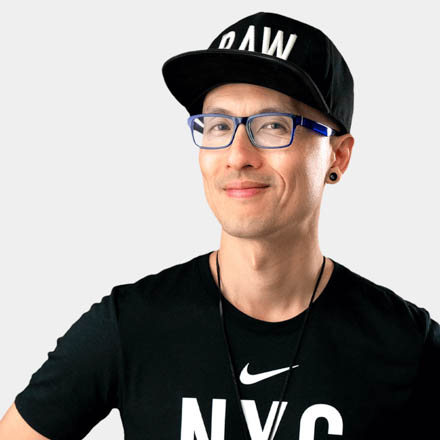
    Chris Do

    Chris Do

    Founder, The Futur™ · December 1, 2024

    The Performance of Being a Creator

    Most of what you see online is a lie. Chris Do believes “98% of creators that you see on the internet are all fake.”

    They are building a persona for convenience, editing their stories for sensationalism, and selling you a thinly disguised advertisement for their services. It’s a performance designed to win applause, followers, and customers.

    But performance is fragile. As Do warns, “every Creator that's out there is one or two bad PR Pieces away from going to jail for lying, for fraud, or being sued in court.” The pressure to project an image of success leads to a foundation of sand.

    This is the crisis facing creatives today. You are told to build a personal brand, go viral, land high-end clients, and master your craft, all while navigating a digital landscape that rewards spectacle over substance. The advice is conflicting, the platforms are unforgiving, and the path is anything but clear.

    Feeling lost is the natural result. But the solution isn’t to play the game better.

    The solution is to play a different game entirely.

    The New Rules of Attention

    Winning on social media in 2025 has nothing to do with luck. It is a science. But most creatives are operating on an outdated paradigm.

    When social media began on platforms like Friendster and MySpace, only a few million people were creating content. Today, that number is approaching five billion. In this crowded arena, attention is not given. It is earned, second by second, and judged ruthlessly by algorithms whose only goal is to keep users on their platforms longer to serve more ads.

    One strategist explains the algorithm’s core function: “these algorithms are designed solely to find the content that can grab and hold attention as long as possible at scale.”

    The algorithm is not your enemy. It is your business partner. It is actively searching for content that succeeds. Its business model depends on it. If your content is not being seen, the hard truth is not that the algorithm is against you. It is that your content is not good enough at its one job: holding attention.

    The problem is not the content itself, but the context. Many creatives follow the old advice: create a niche piece of content for a niche audience. This strategy fails in the current algorithmic environment. The algorithm is not going to do the heavy lifting to find your tiny audience. Your content must first prove it can capture a general audience.

    This is the Generalist Principle. The key question is: “How do we make your content interesting to the average person while not losing the subtext of our core audience?” Your work must pass the initial scroll test with a broad group of people before it will ever be served to your ideal followers. A detailed breakdown of woodworking techniques might fail, but a video about building a secret room might succeed, even if both demonstrate the same skills.

    To do this, you must reject the allure of trends. A trend is fleeting. Think of the Ice Bucket Challenge, a massive viral moment that is now a historical footnote. “99% of people that do that don't break through with viral success,” the strategist notes. You only see the winners, not the thousands who copied the trend and got nothing.

    Instead of chasing trends, you must master formats. A format is a repeatable structure for storytelling. Mastery of a single format is what allows creators to, as the strategist says, “print money.”

    Chris Do’s own content demonstrates this. His most viral moments are not when he simply teaches a design principle. Virality happens when there is a massive perspective shift for the audience. The format is a live-audience Q&A, often with a marker and paper, where Do reframes a common problem in a shocking and memorable way. The format is consistent. The perspective shift is what creates the viral moment.

    Stop reinventing the wheel with every post. Stop chasing trends. Master a single format that allows your expertise to connect with a general audience first. That is how you partner with the algorithm instead of fighting it. More importantly, it is a sustainable strategy for growth, a topic Do covers in STOP Trying To Go Viral... Do This Instead.

    The High-End Client Delusion

    At the opposite end of the spectrum from mass-market virality lies the high-end client. The “whale.” The one who spends five, ten, or even fifty times more than your average customer. For most creatives, the thought of landing a client of this magnitude triggers immediate anxiety. “They’re going to be really high maintenance,” you think. “They’re going to nitpick every little thing.”

    This is a complete myth. According to business strategist Daniel Priestley, author of the book Key Person of Influence, the opposite is true.

    Priestley states simply, “My experience with super high-end clients is that they're completely reasonable.”

    The dynamic is fundamentally different. Lower-paying clients, for whom your fee is a significant portion of their budget, are the ones who micromanage. Their own business may be so fragile that even a spectacular result from you won’t guarantee their profitability. They are managing from a place of fear.

    High-end clients operate from a different mindset. They have a core distinction that separates them from everyone else.

    • Low-End Clients Throw Time at Problems: They have little money, so their only resource is their own effort. They will micromanage, second-guess, and try to do parts of the job themselves because time is their only currency.
    • High-End Clients Throw Money at Problems: They value their time above all else. They do not want to manage your process. They want to pay for a solution and have the problem disappear.

    Priestley puts it bluntly: “The businesses that really take off and really become profitable… they solve a problem for a client who likes to throw money at their problems, not time at their problems.” This is a critical filter for any creative business. If your target client is a student, an unfunded startup, or a small non-profit, you are targeting people who can only throw time at problems. You are setting yourself up for a struggle.

    To attract these high-value clients, you must position yourself not as a service provider, but as a Key Person of Influence (KPI). When people meet you, they are sorting you into one of three buckets. A newbie. A worker bee with a standard hourly rate. Or a KPI.

    A KPI is seen as the go-to expert for a very specific, narrow problem. Their influence is demonstrated through signals like:

    • Awards and recognition.
    • A well-defined niche.
    • Books, articles, or a significant content library.
    • A strong social media following for their specific expertise.

    Becoming a KPI is not about being famous. It is about being the name that consistently comes up when a specific problem is mentioned. It’s a discovery of your unique ability to, in Priestley’s words, “bend reality towards a different outcome that wouldn't have happened had they not been in the room.”

    This is not arrogance. It is a confident understanding of the value you create. It is knowing that while anyone else might get a 30% uplift, you can deliver a 300% uplift for this specific challenge. This is the mindset that attracts clients who don’t just want to hire a pair of hands; they want to pay for a guaranteed future state. For more on this, Priestley and Do’s full discussion on getting better clients is required viewing.

    The Art of Getting the Job

    Talent gets you in the door. It is the base level. But talent does not get you the job, especially not the high-end jobs with sophisticated clients like Nike. The differentiator is not your hard skills. It is your soft skills.

    One creative director who has landed six-figure deals for vertical selfie videos explains the shift. “The thing that will separate us from everybody is our soft skills,” he says. “The hard skills is making it. The soft skills is how easy of a person are you to work with? Are you moldable for the job?”

    Landing a $140,000 contract from a tech company to create a self-shot video is not about being the best filmmaker in the world. It is about understanding the client’s actual need. Brands are no longer just buying production. They are buying distribution and authenticity. “They're buying not only your Production Services, but they're buying your distribution,” Do explains. “The larger your following, the larger the engagement, the viewership, that's what they're buying.”

    This requires a profound ego check. Many creatives get frustrated when a client asks for revision after revision, feeling their artistic vision is being compromised. This is the wrong frame. “If we want to go create art, we should go create art and express ourselves freely by our own passion projects,” the director insists.

    When you are working for a client, you are a cog in their machine. Your job is to serve their goal, not your own. “It's just understanding that I need to deliver for the brand more than I need to deliver for myself.”

    This service-oriented mindset transforms the entire client acquisition process. It is not about a hard sell or a flashy pitch. It is about genuine appreciation and insightful contribution. The approach should be one of offering help, not demanding a job. The director suggests a subtle, non-invasive approach: “In this music video I saw he did this, but how about like next time let's try this idea… let me know what you think about it.”

    This process of service even extends to the creative workflow itself. The director advocates for a highly structured method he calls the Paper Edit. Before a single frame is shot, the entire project is planned out: the concept is written to the beat of a song, the script is finalized, and the shots are sequenced. “My edit is done before I go out and shoot anything,” he explains. By shoot day, the process becomes simple “plug and play.”

    This discipline and professionalism—the soft skills—are what clients value. They are not just buying a video. They are buying peace of mind. They are buying a partner who understands that business is about service, a principle Do explores in his talk on pricing and service.

    The Business of Transformation

    For sixteen years, the branding agency COLLINS built a successful business on the traditional model of design. Then, they blew it all up. Co-founder Brian Collins realized the business they were in was not the one they thought they were in.

    They looked back at their most successful projects, like their iconic work with Spotify, and found a pattern. Their greatest design achievements were also their greatest business successes. This led to a series of foundational realizations that completely reshaped their company.

    First, design is not what it looks like; it is what it does. Aesthetics are a result of function and behavior, not the starting point. The look and feel must emerge from the purpose.

    Second, brand is not a logo, a color, or a typeface; it is differentiation. In a world of commodities, the only antidote is meaningful change. A brand’s job is to ensure it does not become interchangeable.

    Third, companies must be a step ahead of culture, or they will fall behind it. This means companies must constantly transform. They must always be changing.

    These three insights led to a fourth, explosive realization. COLLINS was not in the graphic design business, the communications business, or even the branding business. The firm realized the business it was actually in was the Transformation Business.

    They were helping companies transform so they could build a better future. This reframing elevated their work from creating artifacts to architecting futures. As Collins describes it, “There's really no such thing as the future. What there are... are many futures, all in competition with each other. And your job is to fight for the one future that you believe in.”

    In this fight, the most powerful weapon is not imagination. It is language. Collins holds a powerful belief, one that turns conventional creative wisdom on its head.

    Designers often quote Einstein: “Imagination is more important than knowledge.” But Collins asks the next question: what is more important than imagination? His answer: craft.

    “Can you make it? Can you create it? Can you animate it? Can you ship it? Can you write it?” he challenges. “It's not about the big idea, it's about the big craft.”

    The craft of writing, of using precise and potent language, is paramount. Words Create Worlds. The right words in the right sequence can unlock a powerful emotional response, build enormous trust, and paint a clear picture of a future worth fighting for. Collins has seen it happen. “I've seen it open up the head of a CEO, and I've seen it make a CEO cry.”

    This is not the interchangeable jargon of corporate PowerPoints filled with words like “bold,” “relevant,” and “innovative.” This is language that provides a map, articulating where a business has been, where it is now, and what it could become. It is the power to give a leader a vision they couldn't articulate themselves. That is the real work of branding and design. Not making things look pretty, but making new futures possible.

    Personal Branding Is Not What You Think

    The term “personal branding” has become a cultural lightning rod. It promises influence, clients, and success. But Chris Do argues that most of the advice surrounding it is dangerous nonsense.

    “I think they know nothing about personal branding,” he says of the countless gurus selling courses and strategies. “They're teaching you about how to do marketing funnels, sales strategies on how to position things in a marketing sense. And I say it's all hogwash.”

    Why? Because it starts from the wrong place. “How can you go around telling people who you are and you've got a strong personal brand when you don't know who you are?”

    For Do, personal branding is not an external marketing activity. It is a deep, internal process of self-discovery and healing. It is about confronting unresolved trauma and insecurities that dictate our reactions and drive us to build a persona to mask our hurt. If you are pursuing personal branding to get clients, you are already on the wrong path.

    This philosophy extends to content creation. Most people post on social media as a “thinly disguised advertisement for their business.” It feels transactional and disingenuous. Do advocates for a form of Generosity Marketing, where you give immense value with no immediate expectation of return. When you are ready to ask for the sale, you just ask. You do not need to hide it in a Trojan horse of fake value.

    A core part of this authentic approach involves vulnerability. But here too, the common wisdom is flawed. Many creators perform vulnerability as a tactic, sharing stories of struggle to elicit sympathy and engagement. Do calls this Pity Porn. “Poor me, I've struggled so much in my life, don't you feel so bad for me?” It is a strategy, and like all inauthentic strategies, it is weak.

    True vulnerability is not a performance. It is a declaration of growth. Do clarifies the distinction:

    • False Vulnerability (Pity Porn): Presenting your vulnerability as a means to an end, like gaining an audience or sympathy. It is a transaction.
    • True Vulnerability (Growth): Sharing your shortcomings from a place of acceptance and healing. It is a statement: “I've accepted that I have certain shortcomings. I've healed from it, and more importantly, I've grown from it.”

    This true vulnerability is the foundation of an authentic personal brand, a concept Do explores deeply in his discussion, Your Insecurity Is Your Brand. It is not about showcasing a flawless, curated version of yourself. It is about showing up as a whole person, with both the accomplishments you are proud of and the struggles you have overcome. It is the integration of your light and your shadow.

    For the first time, when you can speak about both your glorious successes and your embarrassing failures with the same sense of peace, you are starting to show up as a real person.

    That is personal branding. Everything else is just marketing.

    today we're bringing you something different over the past month our podcast has been packed with powerful conversations from game-changing strategies to personal stories that will resonate with any creative or entrepreneur to make it easy for you to access the best insights we pulled together from the top five moments from this month's episodes into one video in this video you'll learn about the science of going viral and why Trends might be holding you back we'll also dive into the soft skills every creative needs Thrive uncover what it really takes to work with high-end clients and explore their deeper side of personal branding and transformation all the videos will be linked below along with at the top of every conversation let me know in the comments if you want us to make more videos like this let's get started people think going viral is luck but there is a science and a model to it we spent the past 6 years building one and we'll break down that model today but one of the first things that we have to kind of understand is the world that we live in today so when I started in social media I started back 2005 back when friender Myspace where the predominent players you think back then there's only a few million people on these platforms creating content today we're about to surpass 5 billion people on social media so that's how many people are producing content on these platforms and the reality is of how do we get views how do we get followers how do we get audience it's all controlled on the algorithms these algorithms have a fundamental goal and it's a business goal and how do all these platforms make money they make money by serving ads so these these algorithms are designed solely to find the content that can grab and hold attention as long as possible at scale to keep people on the platforms longer because if people don't uh spend time on their platforms they go elsewhere and thus their profit dwindles so first understanding the purpose of the algorithm they want to partner with us they want to be our best friend it's not about trying to beat the algorithm or hack the algorithm they're incentivized and their whole business model is built on the premise that they want to serve the best content to the most number of people at scale so if your if your content is not being seen and this might be heartbreaking to some folks it's just because it's just not that good can I say that or you're not doing the right things most people have great content okay and it's not the content it's the context of how you're representing that content one of the kind of U performance drivers are things that really hold people back especially you know when we're talking about organic social media is they're operating off of the old Paradigm of create a niche piece of content for a niche audience the social media algorithms are not really looking for that they're not going to do the heavy lifting for you they're just looking at the retention metrics are you able to stop the scroll and how long can you hold their attention for one of the biggest principles that we talk about in terms of that contextual element to drive success around your content is called the generalist principle so how do we make your content interesting to the average person while not losing the subtext of our core audience what kind of commitment do I need to make you said the mindset and what else do I need to do to prepare myself so that if I receive these kinds of strategies or I'm watching this video that I can commit to doing that the way that we look at social media is very different than what most kind of social media agencies or gurus will tell you to do which is follow the trends you know and what is a trend so a trend is something that's very fleeting so it typically lasts for like a few weeks maybe a few one few months at last like the biggest Trend that I can think of is like the ice bucket challenge it's like people don't do the ice bucket challenge today and the other problem is looking at a trend is 99% of people that do that don't break through with viral success we only see the people at the top so the way that we look at it is we don't want people to go and do Trends because you're not mastering a skill set we we we tell people to look at a format the formula starts with understanding what a format is versus a trend because I can guarantee you you will not master The Art of Storytelling and really break through without that that fundamental understanding so once we understand what a format is now we can start looking at what format do I want to tackle most people get it wrong it's not about chasing Trends it's not about Reinventing the wheel or Reinventing the wheel each piece of content it's Mastery of a single format the minute you Master a single format you can print money and it happens all the time is there anything off the top where you going like do this this this and that and it's going to start to perform better outside of what we already talked about well I think the first part is just the mindset perspective do you actually see that social media is going to help your business are you willing to invest the time and energy into it because I think that there's a lot of people out there that just want to pay $500 to a social media manager and then expect remarkable results I'm not saying you can't make that but if you're looking for breakthrough results and for you know a business in the 2 to 5 million range to really take it to the next level to add another 5 10 15 20 million or even Beyond it's going to take some dedication and understanding of it so that it's just a pure mindset thing I feel that our best content is almost always with me live with some level of studio audience it it happens because they bring a little bit more spice out of me and I like that and I'm more alive I feel have to be on point number two is if I have a piece of paper and a marker with the live audience those videos tend to do really well not millions of views but hundreds of thousands of views so if I want to make that in a shorter form more viral piece of content of the 220 formats that you've uncovered what format should I be doing I kind of want to point something out before I answer the format because I have watched your content and I've looked at the most viral content versus the content that doesn't reach that that level and I think one of the biggest drivers of your virality is perspective shift is when there is a mass massive perspective shift based upon the audience member's question that's when there's virality every business has like a client who spends way more money than most so it's got to be a client that for you makes you go ooh right that feels big so let's say you're a coach or a consultant most clients spend five grand this would be someone spending 25 to 50 Grand so here's the shocking thing that a lot of people don't realize they think okay number one when you have a really big client you have to do totally different things not necessarily true and you you and and that the other thing is that they're going to be really high maintenance they're going to nitpick every little thing completely the opposite so let's dispel that myth first because although the idea is very attractive to our listeners that having a big client that's going to spend five 3 to five or even 10x of what you normally get that would just cause their blood pressure to go up because of those fears but let's dispel that myth first my experience with super high-end clients is that they're completely reasonable um small things mean a m big deal to them uh and actually their ability to get a return on investment is normally so high that even just doing a small thing well will actually get them return on investment even though they've spent so much money so that probably is a key difference that you know when you're working with a small client where for them 20 grand is a big deal um you're going to have a situation where they're going to micromanage you they're going to be really freaking out and also the underlying business business that they have is probably so small that even if you do an incredible job they you know even if you double their business it may not even be profitable the service that you provide depending on who's the buyer and the impact it has on their life and their business can mean a worldly difference in terms of what they're willing to pay from working with thousands of businesses the businesses that really take off and really become profitable and really end up selling for millions and delivering huge amounts of financial rewards to the founder they solve a problem for a client who likes to throw money at their problems not time at their problems and that's a real distinction cuz I see people I was talking to some young guys the other day they're like oh we're going to work with students who are struggling to get this I'm like these are people who like to throw time at problems they don't like to throw money at problems they don't have enough money to throw at problems and then I talked to an IT services company that works with the biggest brands in the world and they deliver an IT service that these Brands need and these Brands don't want to throw any time at that problem they just want to pay for the solution and just get it done so there is a huge distinction here that a high-end client fits that description they really just want to throw some money at a problem and get the problem solved and get it done they don't like throwing time at their problem so that's one of the very clear reasons as to why they're a good client that should be a warning signal for some people and you may disagree with with me on this but while designers love to work with nonprofits like real nonprofits like there's no money at all not like the fake nonprofit which is a whole different classification or unfunded startups cuz all they got is time they don't have money they can't throw money at it but they just love to go there and they find themselves having to pull like tooth and nail to get some money from them and then they're super micro they like to micromanage everything yeah yeah well they've got no other tool in the leadup to meeting with a high-end client you want to position yourself as what we call a key person of influence there's a a harsh piece of Truth that I share with a lot of people around this idea that when you talk to people they judge you and they're putting you in one of three buckets they're saying this is a newb who needs more experience this is a worker be who has an alley rate that is in line with everyone else's alley rate key person of influence typically is someone who says we've won awards we've got a niche we've got something that we're super specialized in we're we're considered to be the best at this particular very narrow thing um I've written a book on it or I've written content created content about it um I'm followed for this I've got followers on social media so these are the types of things that point towards you being the key person of influence for XY and Z when it comes to blank there there's only a few names that keep coming up mine included the thing about a key person of influence is that they're committed to changing someone's future state that if they don't show up something's not going to happen they know that their job in the world is bending reality they Bend reality towards a different outcome that wouldn't have happened had they not been in the room so when we discover that we're a key person of influence it's actually a discovery of our ability to bend reality um and to say hey when I'm in the room this project goes really well and if I wasn't here it would not go that well right I know that anyone else can get you a 30% uplift I can get you a 300% uplift because I bend reality that way for this particular thing and I can't bend reality for everything but I can bend reality for that that sounds wonderful but I know the people listening to this were going to say well easy for Daniel to say easy for Chris to apply but what about me May I'm maybe I'm not even close to that does that mean I'm excluded from being considered this way it's crazy to think that what a brand will spend on a more Legacy style commercial some content creators getting paid the same amount just to make vertical selfie videos talking about a product I was like that can't be real and then I saw it I was like oh my God it's real so you know what pushed me to do it was knowing that it was real knowing that I had my back pushed up against a wall a lot of people were saying you should give it a shot you have nothing you literally have nothing much left to lose and I I went for it I'm an introvert I don't know are you an introvert I don't like being outside okay so you have to get out of your own skin to go to an event and then you have to do something that's even harder than going outside which is you have to go talk to people and then you have to convince them to work with you Talent is the base level right it sounds cliche it sounds obvious but we're all capable of doing great things yeah the thing that will separate us from everybody is our soft skills like the hard skills is making it the soft skills is how easy of a person are you to work with are you moldable for the job it's just the grittiness that it takes to to work in this field and all of those things you know they will V you on whether it's a conversation at the bar or a video conference call and showing up understanding that I need to remove my ego from this as just a creative to I am just a cog in the entire machine has helped me navigate that whole convincing process cuz at the end of the day it is a job if we want to go create art we should go create art and express ourselves freely by our own passion projects but if you're working for Nike and they have this Big Brand campaign they want you to direct you can't just come in there making this commercial that doesn't feel like a Nike commercial like it just doesn't work that way I mean there are bits of you that you should inject and can inject but overall like I know a lot of creatives get frustrated that they're told bring your creative approach to this and then we need to make revisions on revisions it's just understanding that I need to deliver for the brand more than I need to deliver for myself and if I want to deliver for myself I have my own passion projects for that a lot of times people think that the way you get business is maybe you saw something on TV and you act like that that's not the way it's done right it came from a place of genuine appreciation and saying I know enough about what you're doing and if they're if invited to that dialogue you're like here's a couple of things I've noticed and letting that play out the way it plays out you know just doing it in a way where you're not attacking what this brand or artist is already doing it's like just letting him know like hey like in this music video I saw he did this but how about like next time let's try this idea you know let me know what you think about it and it wouldn't it just wouldn't be invasive I think that's what a lot of us Freelancers should understand too like we have the talent and skill that we've done through our own art to get to this place to make it a profession when it becomes a profession like our whole job is really to serve whether it's an album cover whether it's a music video or a commercial to sell pasta we're serving something through our skill yeah and I let that be known I let it be apparent like I want to help make a great product there seems to be a high effort into making a very specific type of film tell me a little bit about your creative process and how you actually pull these things off my creative process A to Z starts with you know it's the ideation process a lot of that comes from whether it's driving or listening to music um I'm drawn to a feeling and if this song invokes A Feeling or a a thought I write it down then I'll usually pick a song to write to like an instrumental that I like I'll pick like a a Jay-Z song or something I'll write my concept to that beat like a like a rapper embarrassingly enough like together it's coming right together like I said in the beginning it's um it all stems from from music I'll write my script to it and then I'll put the shots to it basically my edit is done before I go out and shoot anything which is something I call the paper edit yeah and then I'll go out I'll do by shoot day come back ingest the footage and I just drag the song in which I've already I know exactly what parts of the song I'm going to use and it's just plug andplay from there I got paid $140,000 to work with a tech company and it was kind of not like a selfie video but it was not on my iPhone wow I edit it myself and I'm thinking back in the day they'd pay you 100 grand for a music video an entire music video freaking and you spending most of the money if it as a director you only get 10% and you cut into that trying to make it a better product what kind of dream world are we living in and I understand this because I've been in the business for a long time there's the budget to produce the video or commercial and then there's the media buy so they're actually getting a huge bargain because what they're doing is they're buying not only your Production Services but they're buying your distribution yeah so the larger your following the larger the engagement the viewership that's what they're buying so they're getting it actually a great deal so more brands should support artists and they're going to have a much more effective delivery vehicle for someone that people trust and like and the message is authentic we started out with two laptops four desks and idea that design wouldn't be what we make design is what what we would make um possible that put the emphasis not on the artifacts but on the outcome and on the action that designers could have on creating the future in effect what we're doing is designers Are wizards we're able to kind of rehearse the future before it arrives and the way that we would say it is there's really no such thing is the future what there are there are many Futures all in competition with each other and your job is to fight for the one future that you believe in and then design is the bridge that helps you get to that future where do we get our bearings before we jump into the future what we decided to do was to completely blow up the old business model what we decided to do is reimagine basically the foundations of the business what we did is we looked back at what we had done most successfully over the previous 16 years we tried to find what that pattern was and we double down on three things the first was design is not what it looks like design is what it does and how it behaves and then what it looks like is a result of what it does and what it behaves the second thing is that brand is not visuality brand is not the tight face brand is not the color brand is not the logo brand is not the design system brand is not the interface looking fuel what brand is is differentiation and differentiation is about change and differentiation is about making sure you do not become a commodity the third thing we realize is that companies if they're not a step ahead of the culture are going to be behind the culture therefore companies always have to change therefore companies always have to transform we realized that the business that we were actually were in wasn't the graphic design business was it the Communications business was it the branding business the business that we were actually in was in the transformation business and helping companies transform so they could build a better future that was a step ahead of the culture then we had a force realization coming out of that which was our most successful case studies in terms of design were also our most successful case studies in terms of business like we were became very well known for our work with Spotify it was celebrated as a great sort of creative and design achievement and branding achievement it also helped Spotify take off as a younger person I underestimated the power of language and words I'm not that stupid anymore can you talk to us philosophically intellectually about the the potency of the words when you find the right words in the correct sequence it can unlock that very strong emotional response from this powerful CEO words create Worlds the powerful language to create and paint a picture the future that is grounded in understanding of where the business has been where it is and where it needs to go language that identifies what is what must be and language that identifies what could be in your articulation of a company's future you hit those three things and you help people to understand what future it is that they're fighting for it opens up enormous Wells of trust because people say you've listened to me and you've heard me and you've given me a map that I never thought I would be able to get there's this quote that people in design use often they said that Einstein said imagination is more important than knowledge right youve heard that but then you have to ask the next question what's more what's more important than imagination what's more important than imagination is craft can you make it can you create it can you animate it can you ship it can you write it and the craft of writing is actually more important than imagination itself imagination is easy in some Industries um they go I've get a good idea I wake up like you do like anyone who's listening to you right now we have a 100 good ideas hit us during the course of the day it's not about the big idea it's about the big craft can you make it real and that's what language is about do you know the difference between the right word and the wrong word and I've seen it in a room and I've seen it in a room I've seen it open up the head of a CEO and I've seen it make a CEO cry and I go holy sh I didn't think that was possible that's the power of real language the power of real language is not to out and say we're connected and this is a human brand and we're getting oldold and relevant and and Innova kill me now I mean if I see these interchangeable Brad decks they're all the same everyone has bold relevant Innovative you it it's they're interchangeable so the power of language to create not only meaning but more importantly in terms of brand differentiation at this point where we stuck dynamite in our old business model you know The Branding industry is about to go through a Hu two things are about to happen and why I think the the old branding industry the way you knew it is debt it's it's it's gone personal branding for me is a process of discovering who you are and getting in touch with that and healing from trauma that we don't even understand we have so for you it's clearly not a strategy just to get more clients expand your marketing but a deeper process of self-discovery I want to know from you your personal experience how did you come to this realization you personally Kristof I don't think we should pursue personal branding if you believe in the thesis to get clients at all this is the wrong thing to do and it kind of ties closely to my perspective on why we post content on social media almost everybody that I know posts content on social media as a thinly disguised advertisement for their business for their services and products and it it just kind of makes us all cringe like why are you posting that and and even if you lead with 80% value and at that last little 20% you kind of ask me for something you kind of burn all the Goodwill so I'm really a big believer or proponent for this generosity kind of marketing where you just give lots and lots of value and when you're ready to ask just ask you don't have to worry about hiding it in something we don't have to use this Trojan Horse concept okay I think 98% of creators that you see on the internet are all fake they're all fake they're all building a lie they've lied to themselves they've lied to you and you're bought into it you getting sold no I follow some people that I feel are very genuine and sometimes I'm like uh are you just feeding me a line so I can buy your product cuz there's a CTA in this video well every time there's a CTA you have to ask yourself is this real yeah you have to ask yourself I'm not saying 98% of people are fake but 98% of the people online are completely fake when we're building our companies we like to edit for sensationalism or for convenience of knowing who they are there are certain health and fitness gurus who purportedly sold their companies for a certain dollar amount but they didn't actually sell their company for that amount they sold it for a portion of that amount therefore valuating at a certain price and then they just claim that's what I sold it for and if you actually read their own story told by themselves at the end of the book you'll see that they didn't actually sell it for that amount but who really cares because that number sounds really sexy I always think every Creator that's out there is one or two bad PR Pieces away from going to jail for lying for fraud or being sued in court it's because people feel the need to put on a certain Persona to be accepted to be liked to be respected and admired and I'm just sick of it I see lots of people either posting content on social or speaking on stages writing books on this thing about personal branding I think they know nothing about personal branding personal branding has become a cultural Zeitgeist it's become like a word lightning rod that if you use all of a sudden everything you say has more gravitas because it's very attractive to everybody few of us can build a brand all of us have a personal brand so they're using this new label to put lipstick on a Pig they're teaching you about how to do marketing funnels sales strategies on how to position things in a marketing sense and I say it's all hogwash cuz who the hell are you you're just packaging things up call it packagings I don't believe in any of this stuff because how can you go around telling people who you are and you've got a strong personal brand when you don't know who you are and you don't know what makes you you that you still have unresolved childhood trauma that you're reacting and responding to things in a way to to mask your insecurities and and the hurt that you felt and I I feel bad for you the thing that I want people to understand about personal branding is when you show up as you in all your glory the things that you're proud to tell people about your accomplishments and the the hard work or the perseverance you've had the things you've had to overcome as a human being and you talk about things you want no one to hear about the things that you would be embarrassed that people talked about then now for the first time I think you're starting to show up as a real person there was a Creator in the digital marketing space and she was saying the opposite of what you're saying actually do not show up vulnerable anymore I've been showing up vulnerable and it's been weaponized against me and it's actually triggered me and it's actually brought up old things for me and it had didn't really move the needle forward from a business standpoint so what this person did was show up and present their vulnerability as a means to get more of an audience wrong wrong already okay cuz that's like you or me saying poor me I've struggled so much in my life don't you feel so bad for me that is like I hate to say it I don't there's probably a better expression it's like pity porn pity me and let's all get together and share like how the world has been so unfair to us the kind of vulnerability I'm talking about is I've accepted that I have certain shortcomings I've healed from it and more importantly I've grown from it [Music]
    Download transcript

    Enjoyed this? There’s more where it came from.

    Get insights on running and growing a creative business.

    You can unsubscribe anytime. By submitting, you agree to receive communications and to our Privacy Policy.

    “I think 98% of creators that you see on the internet are all fake.”

    — Chris Do

    Length
    26m
    Views
    39,886

    Share